

From prototype to production: why you should test packaging and displays before manufacturing.
In the world of packaging and displays, the design phase is as fascinating as it is complex. Creative ideas, innovative concepts and technical solutions must coexist harmoniously to create a final result that is not only aesthetically appealing, but also functional, durable and consistent with the brand identity.
This is where a fundamental phase comes into play: prototyping. Through rapid and functional prototyping techniques, it is possible to test and validate every element of the project before moving on to mass production. This strategic step allows you to prevent errors, optimise costs and ensure a result that meets expectations.
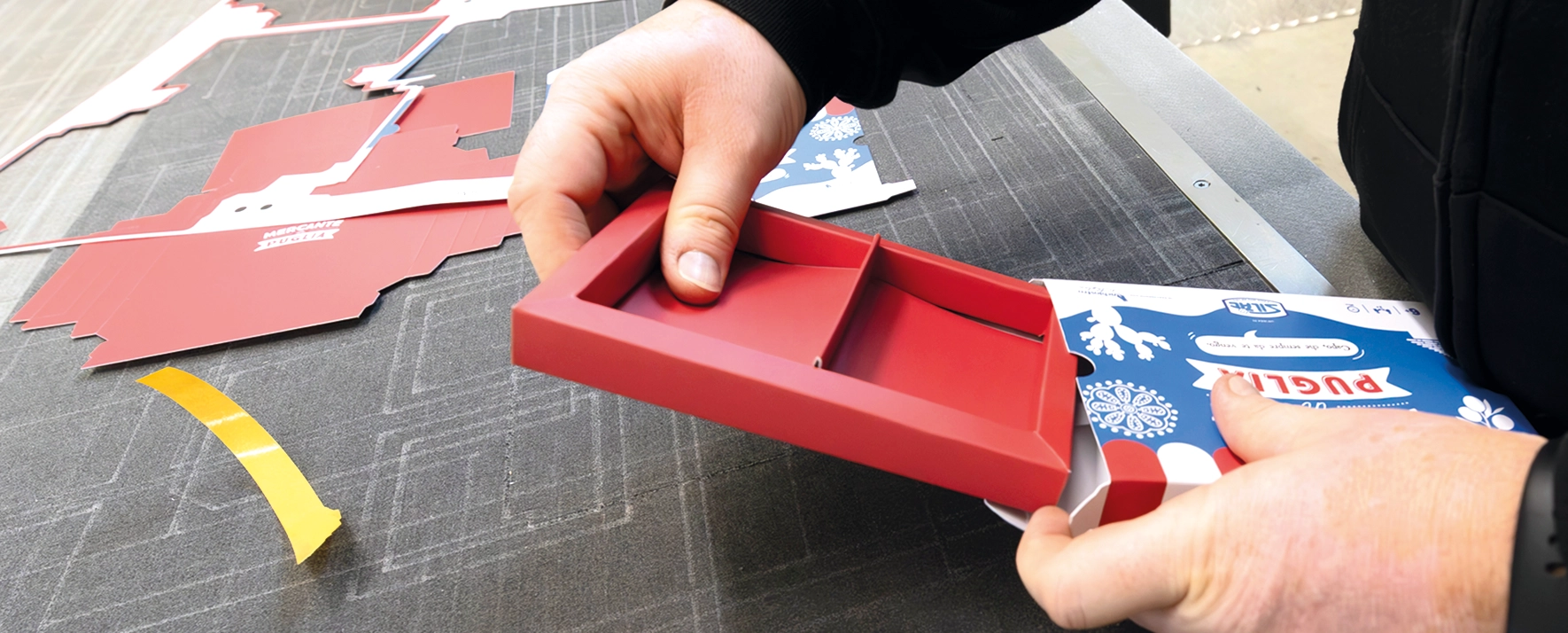
What is a prototype: from concept to concrete preview
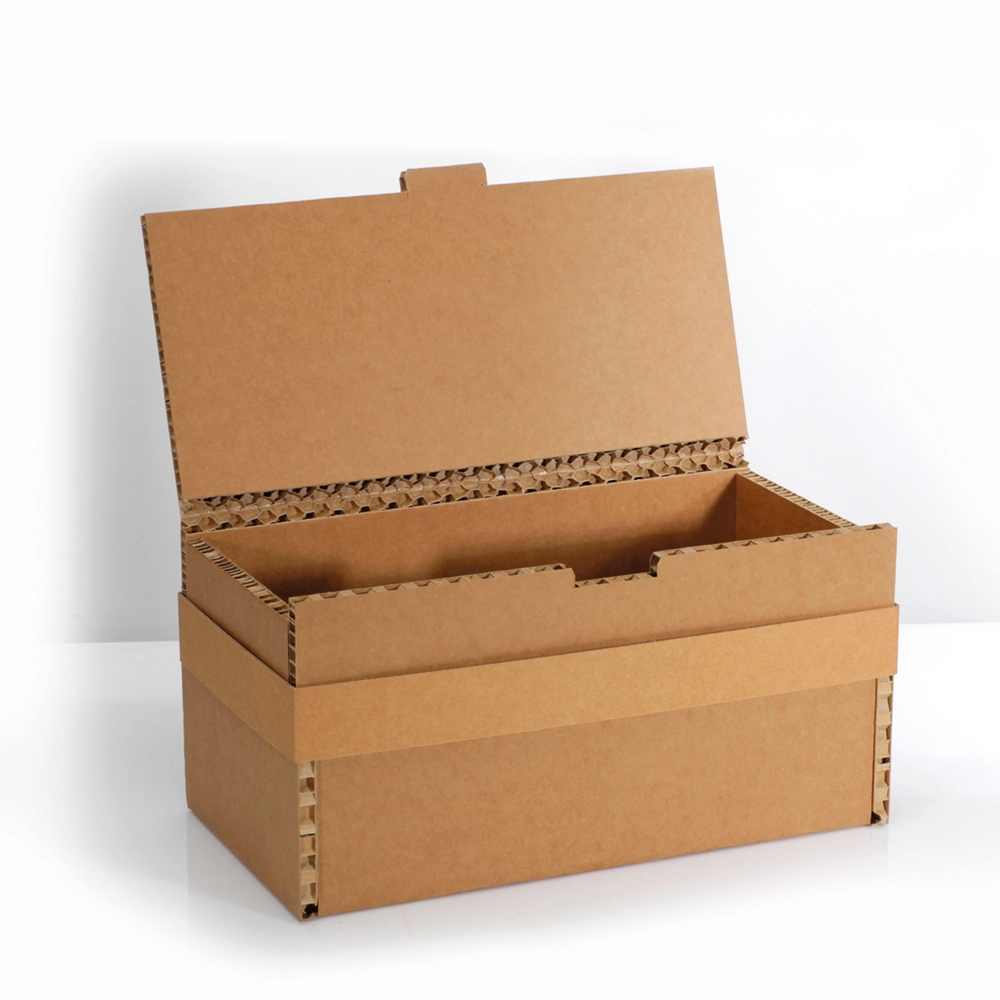
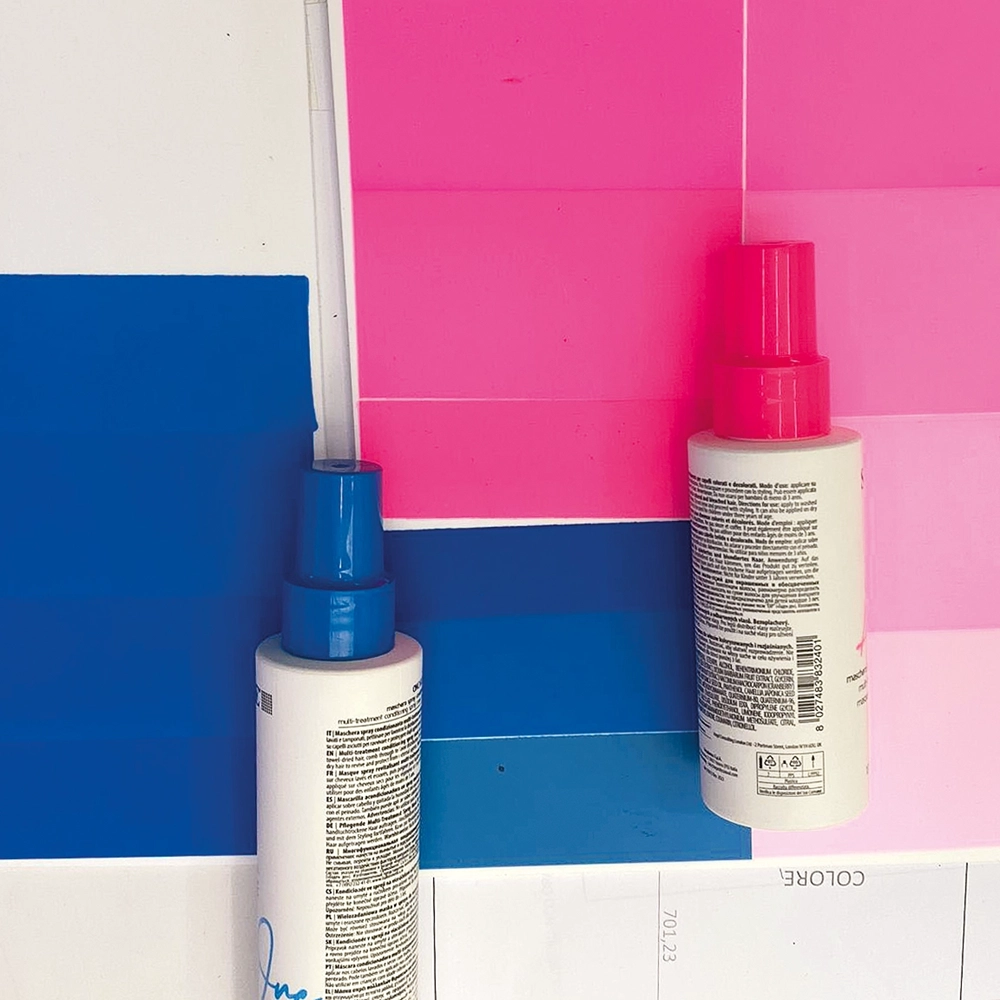
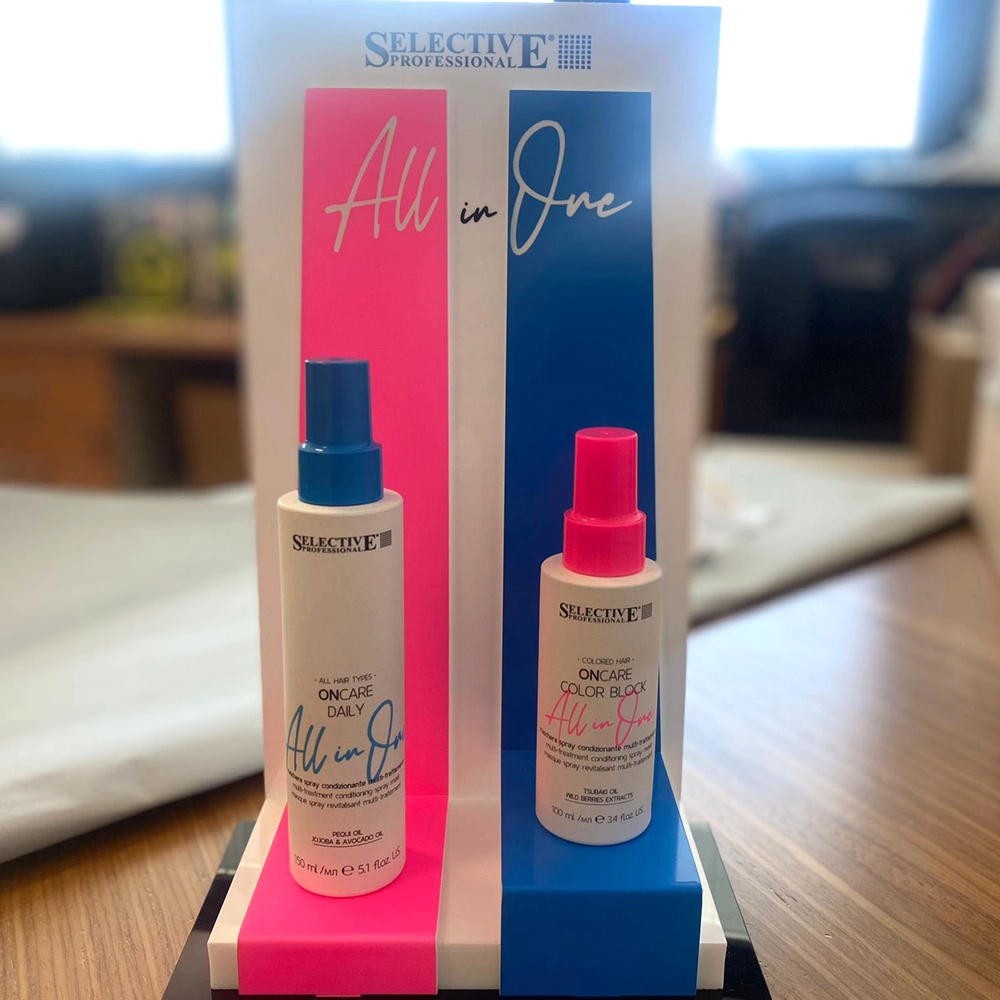
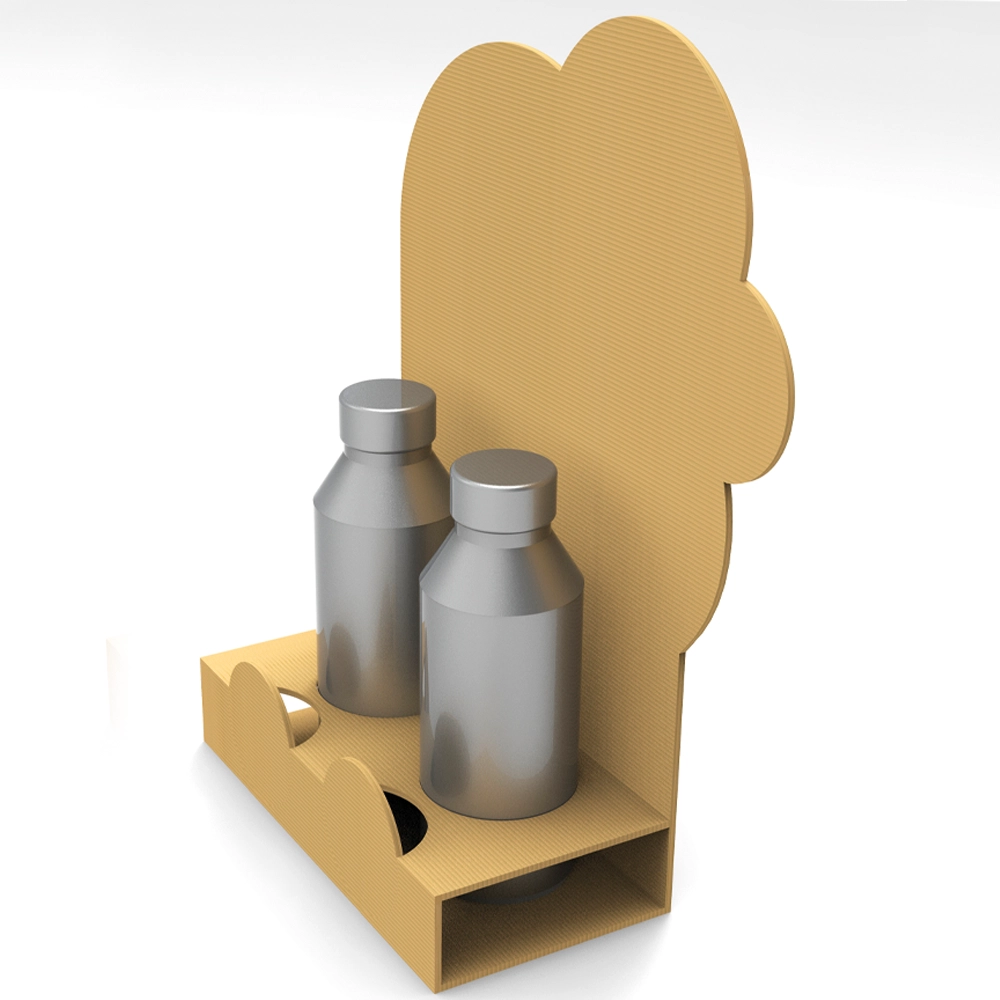
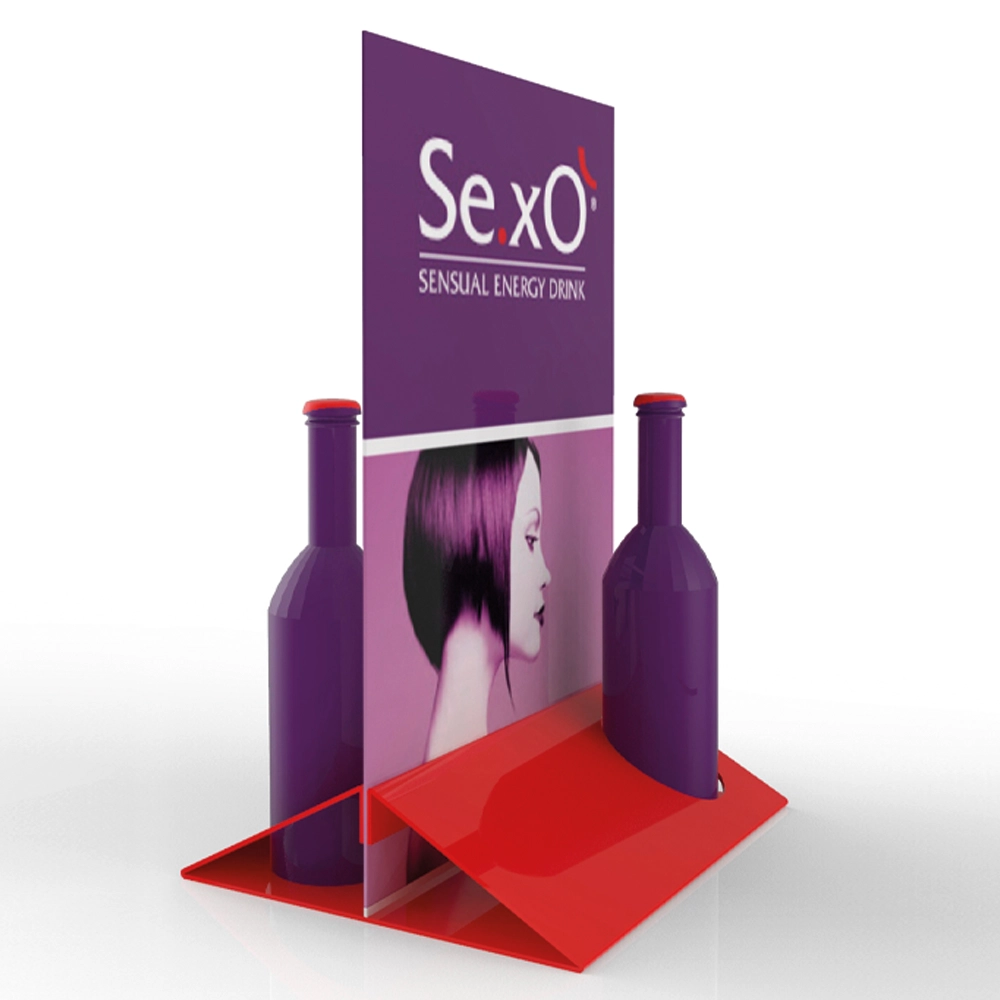
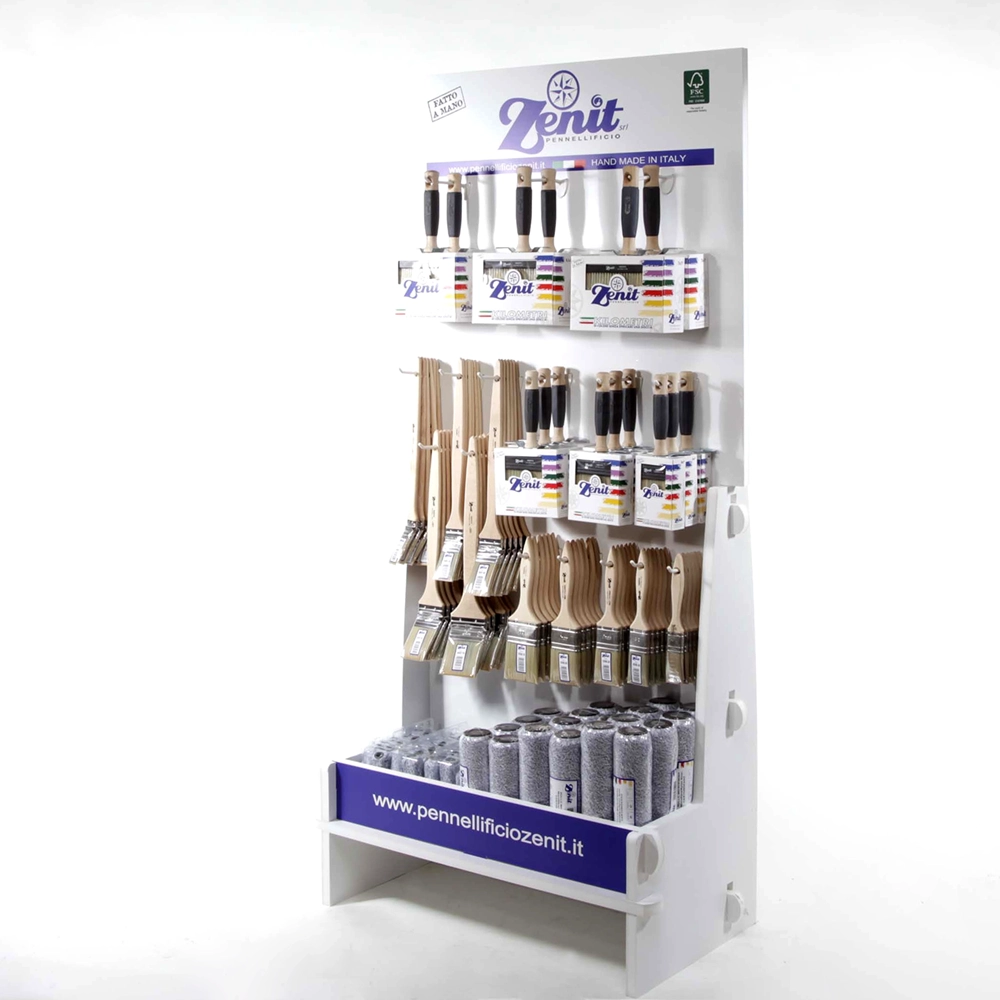
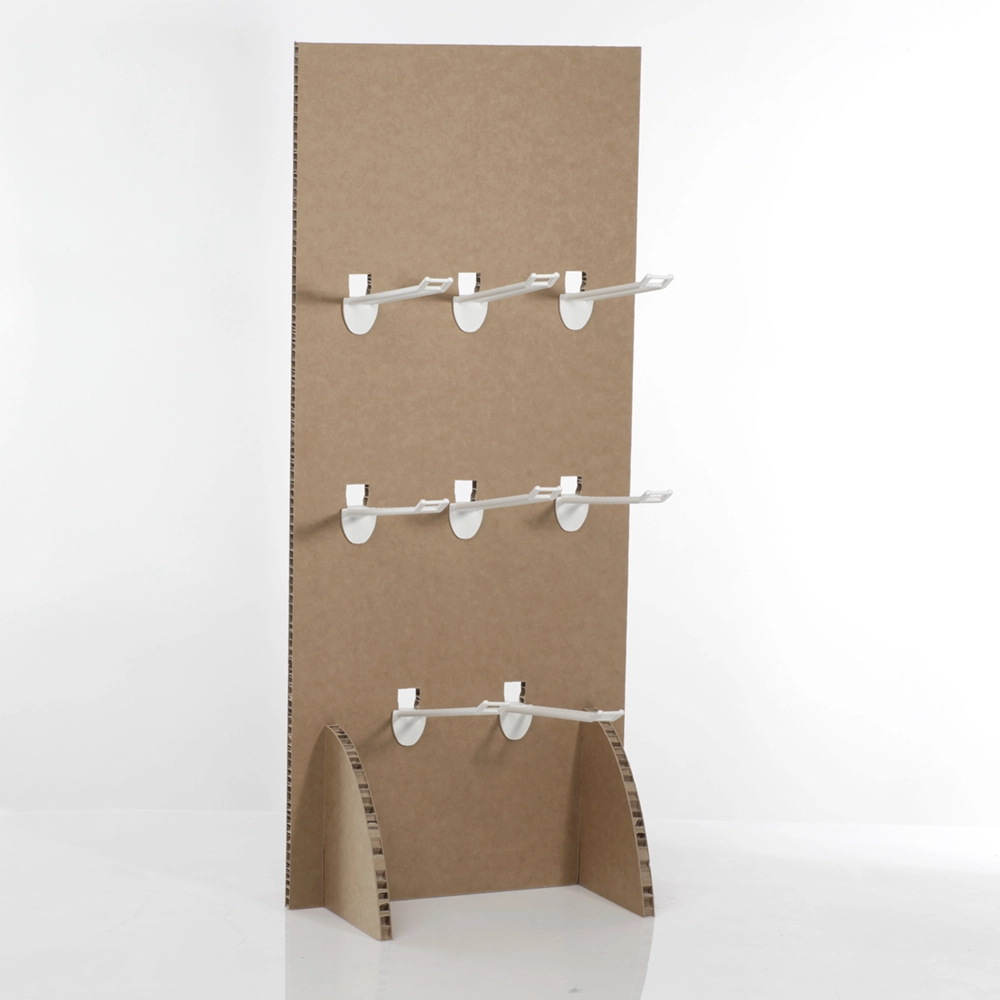
A prototype is the physical or digital reproduction of a design, developed on a full or reduced scale, which allows the shape, materials, dimensions, functionality and aesthetic appeal to be verified. In packaging, this may be the first package printed with the chosen colours and materials; in displays, on the other hand, it may be the structure assembled and tested in the laboratory before mass production.
The prototype is therefore a bridge between idea and production, capable of transforming an abstract concept into a tangible object to be analysed, perfected and shared with the customer.
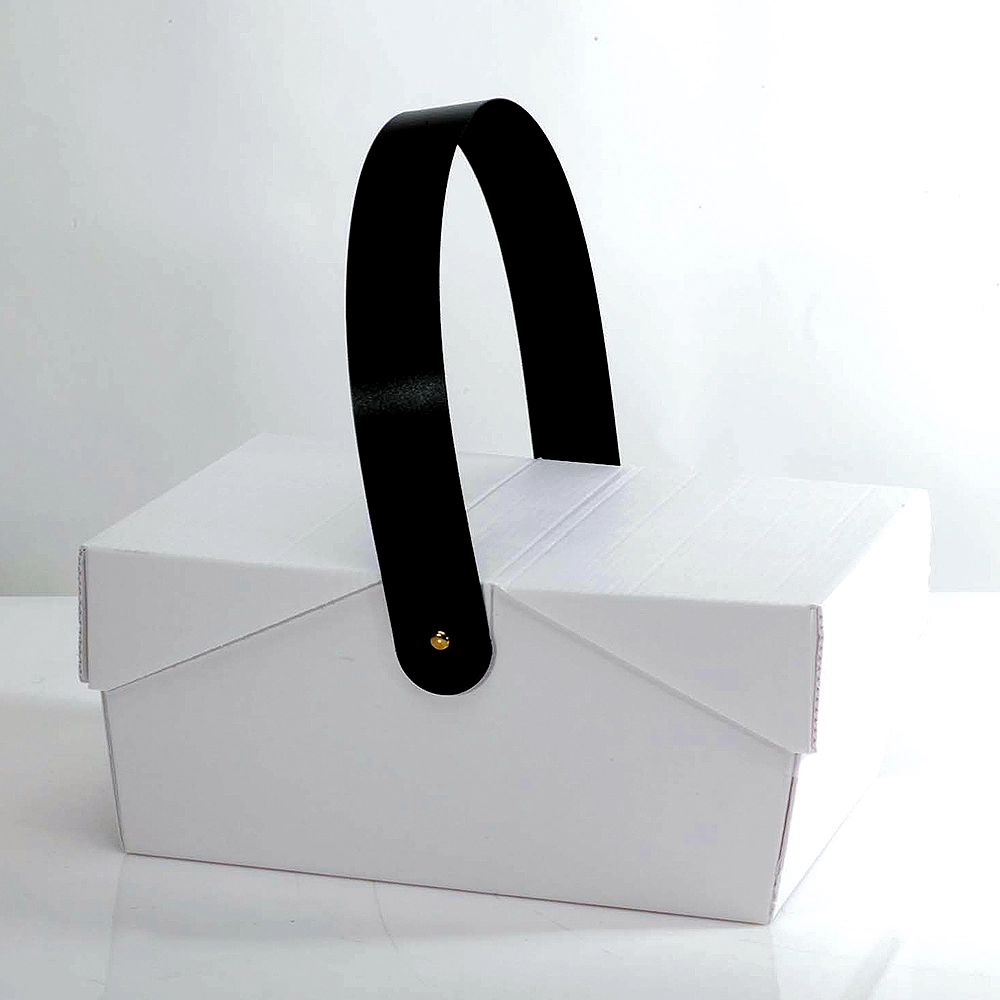
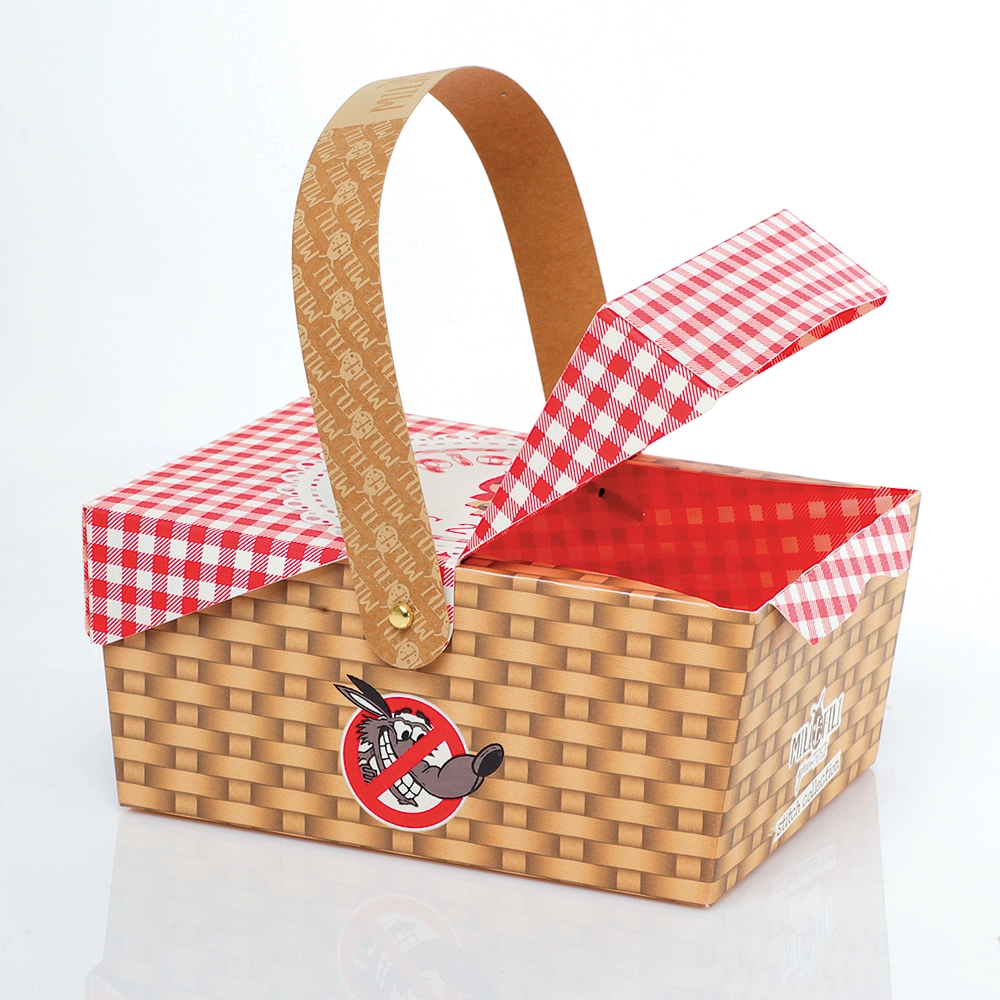
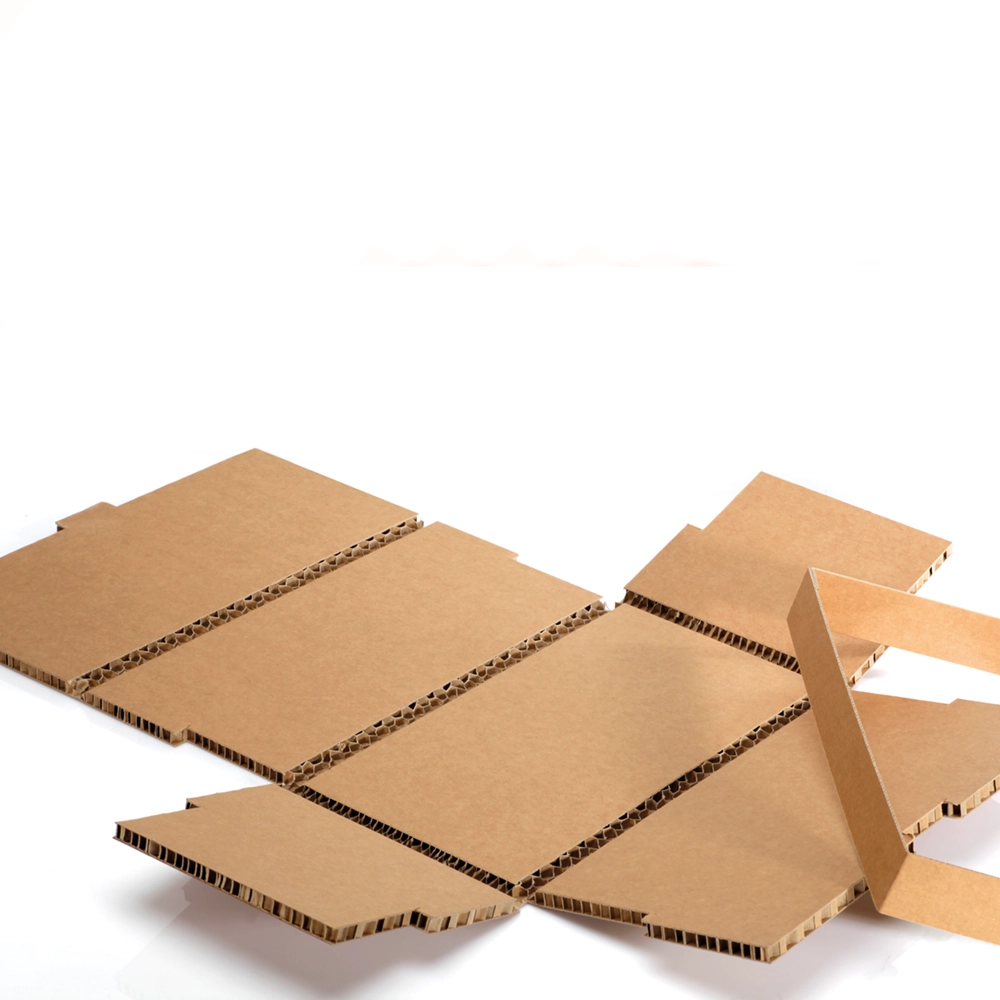
Why testing before production is essential
1. Functional testing
A display must support the weight of the products, be stable and safe; packaging must protect the contents during transport and display. The prototype allows these characteristics to be tested in advance, ensuring reliability and safety.
2. Aesthetic control
Colours, finishes and materials often look different on paper than they do in reality. The prototype allows you to evaluate the actual visual impact and understand whether the design correctly communicates the brand identity.
3. Cost optimisation
Identifying any critical issues during the prototype phase means avoiding costly errors in production. Small initial adjustments can translate into significant savings in terms of money and time.
4. Customer experience
A prototype allows the customer to get a hands-on feel for the project, interact with it and actively participate in the decision-making process. This increases engagement and reduces misunderstandings.
5. Controlled innovation
When experimenting with innovative materials or unconventional shapes, the prototype becomes the ideal test bed for testing their actual feasibility and functionality.
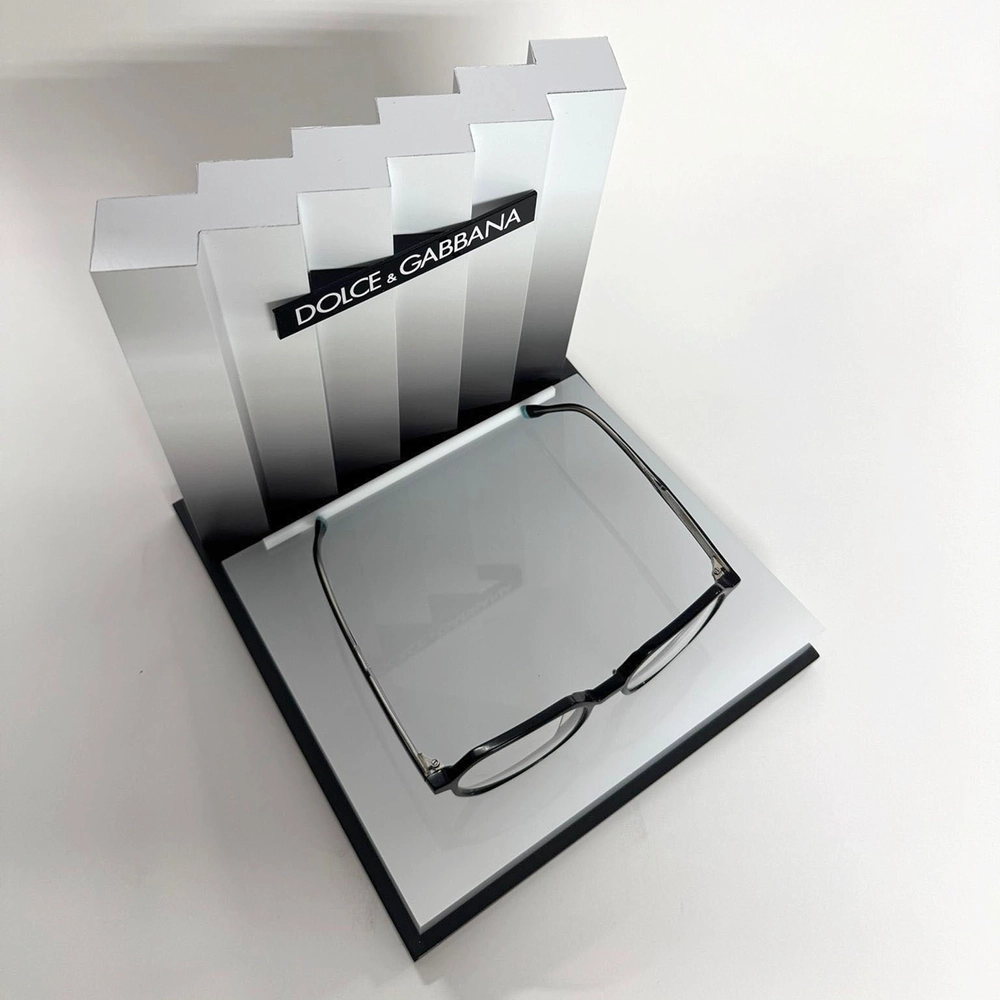
Prototyping techniques in packaging: mock-ups, 3D and functional testing
Depending on the design requirements, various prototyping techniques can be used, from the creation of packaging mock-ups to 3D prototypes and virtual prototyping. These solutions can be combined to ensure a gradual and accurate verification process:
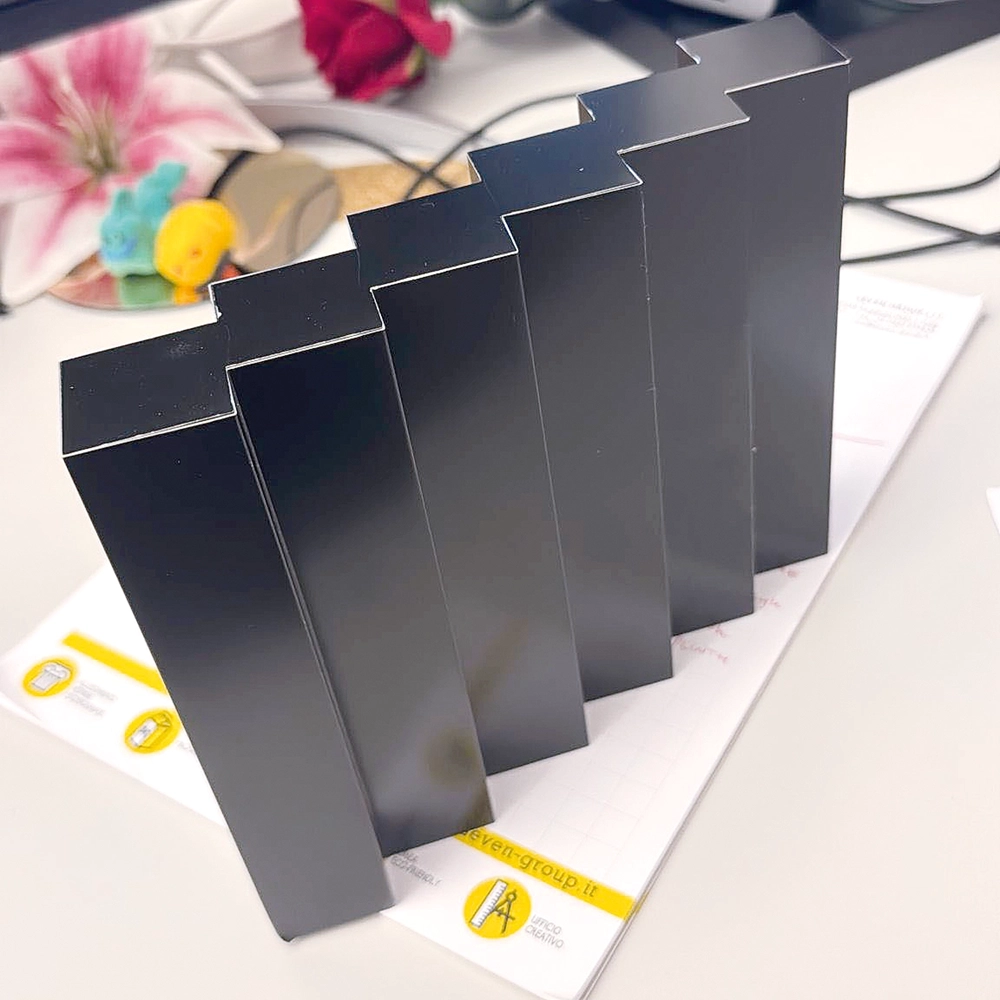
• Paper prototypes or rapid mock-ups, useful in the early stages to evaluate proportions and dimensions.
• Functional prototypes, made with the final materials, to test durability, resistance and usability.
• 3D and virtual prototyping, increasingly widespread, which allows shapes, interactions and aesthetic details to be simulated in a digital environment before producing a physical sample.
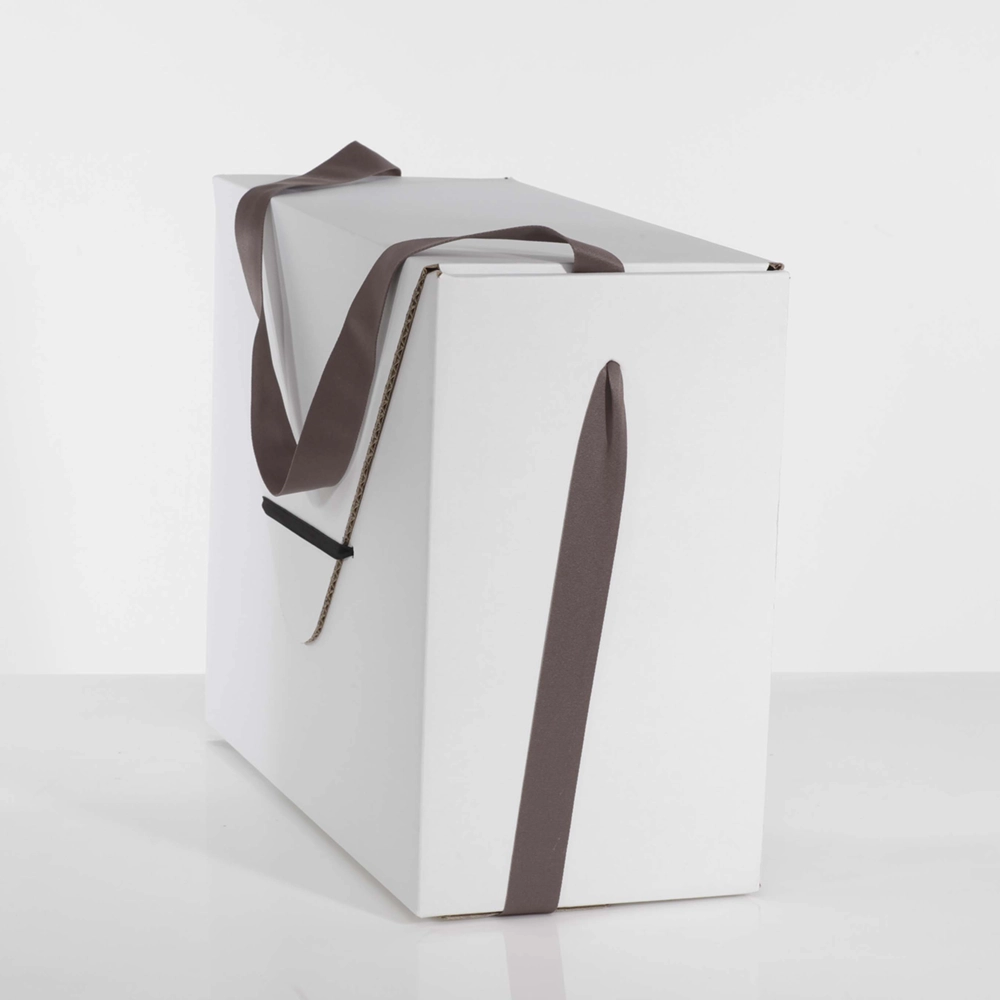
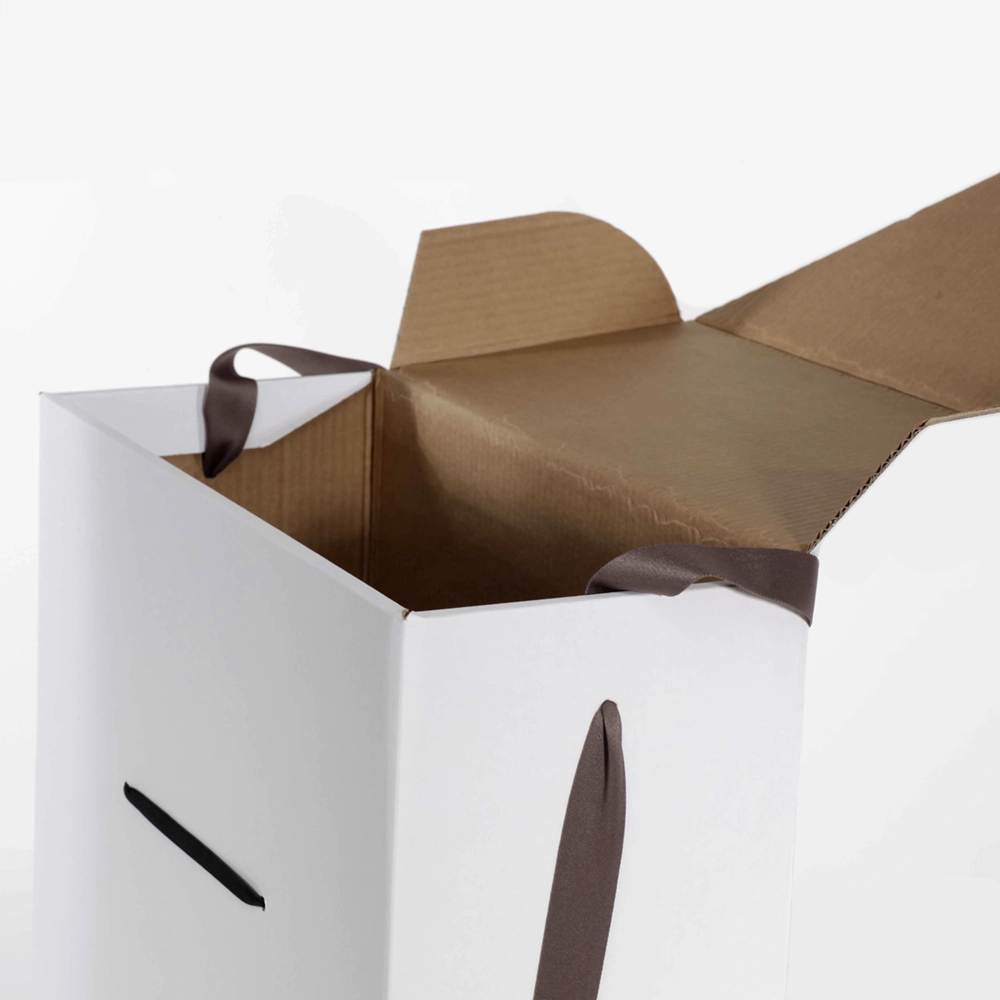
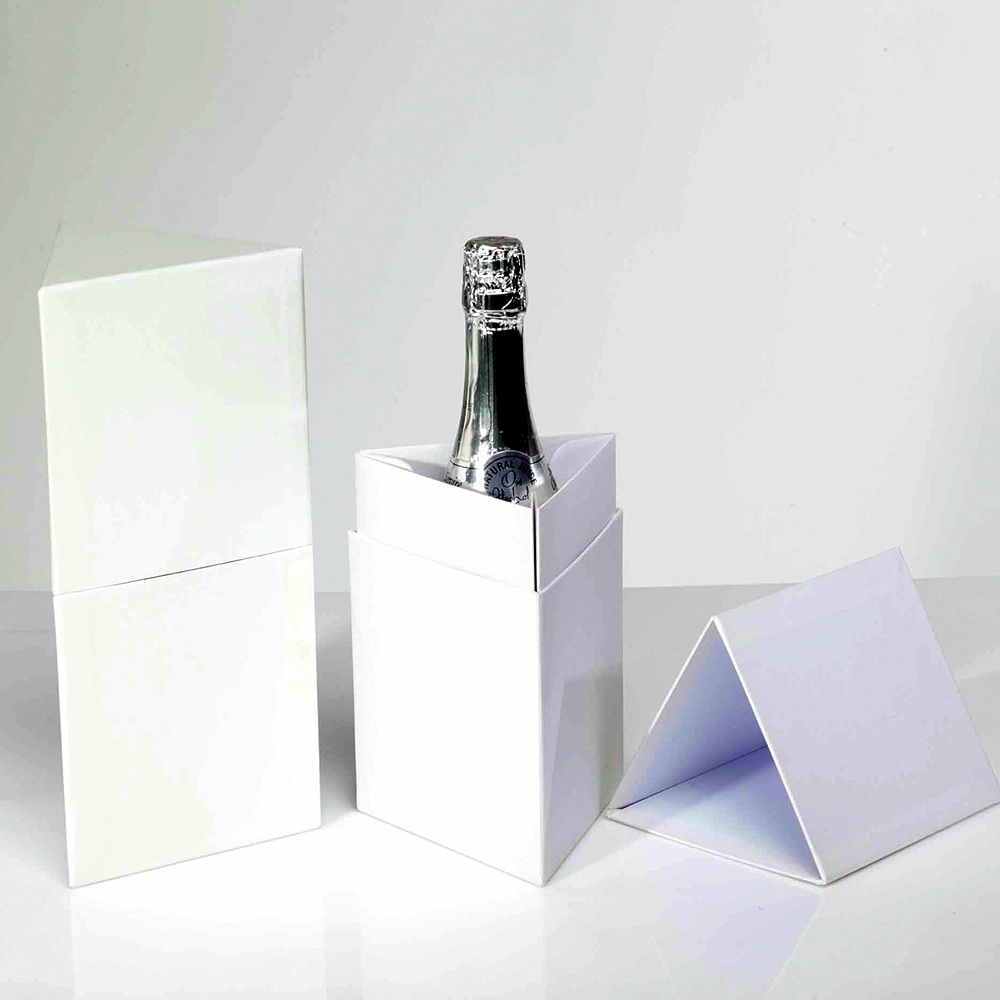
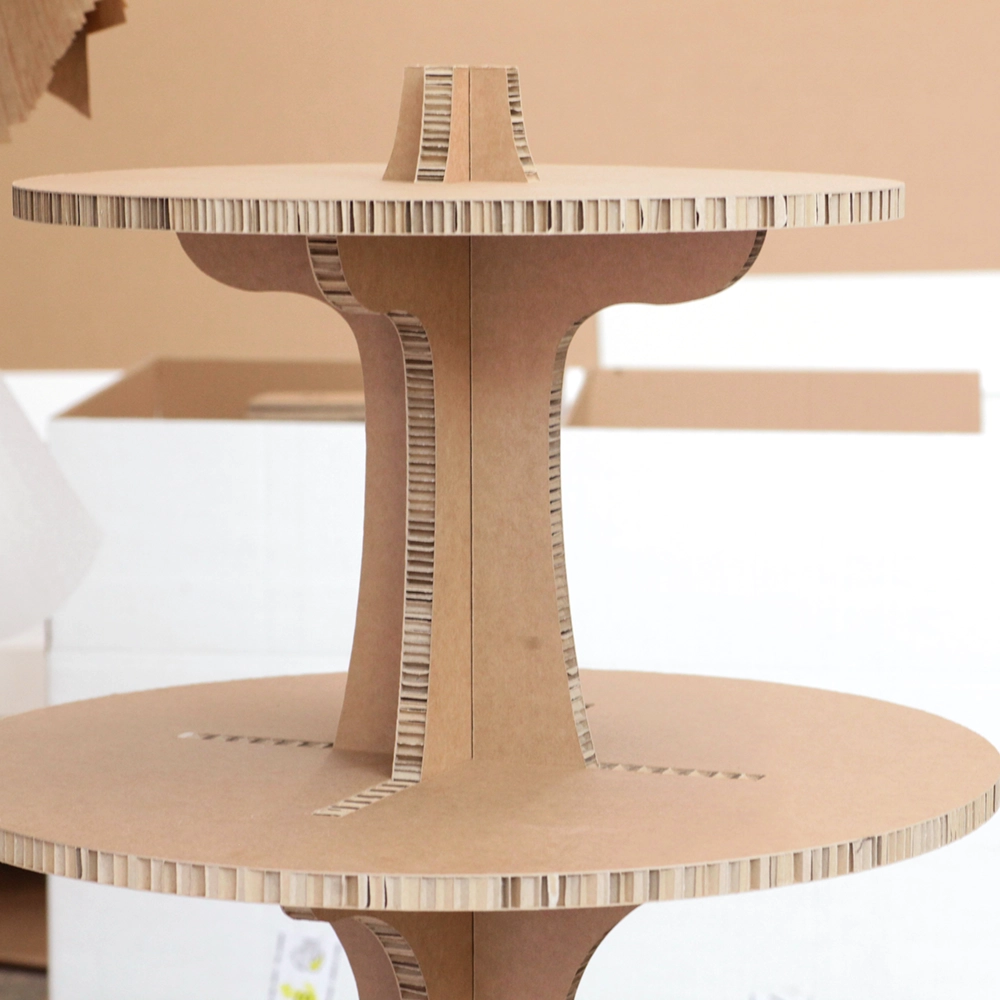
Added value for brands
For a brand, having a prototype means reducing risk and increasing certainty about the final result. A properly tested display enhances the product in the shop, improves visibility and strengthens the brand’s presence. Similarly, packaging that has been validated at the prototype stage conveys consistency, attention to detail and reliability: key elements in winning consumer trust.
Ultimately, prototyping is not a waste of time, but an investment in the quality, credibility and economic sustainability of every project.
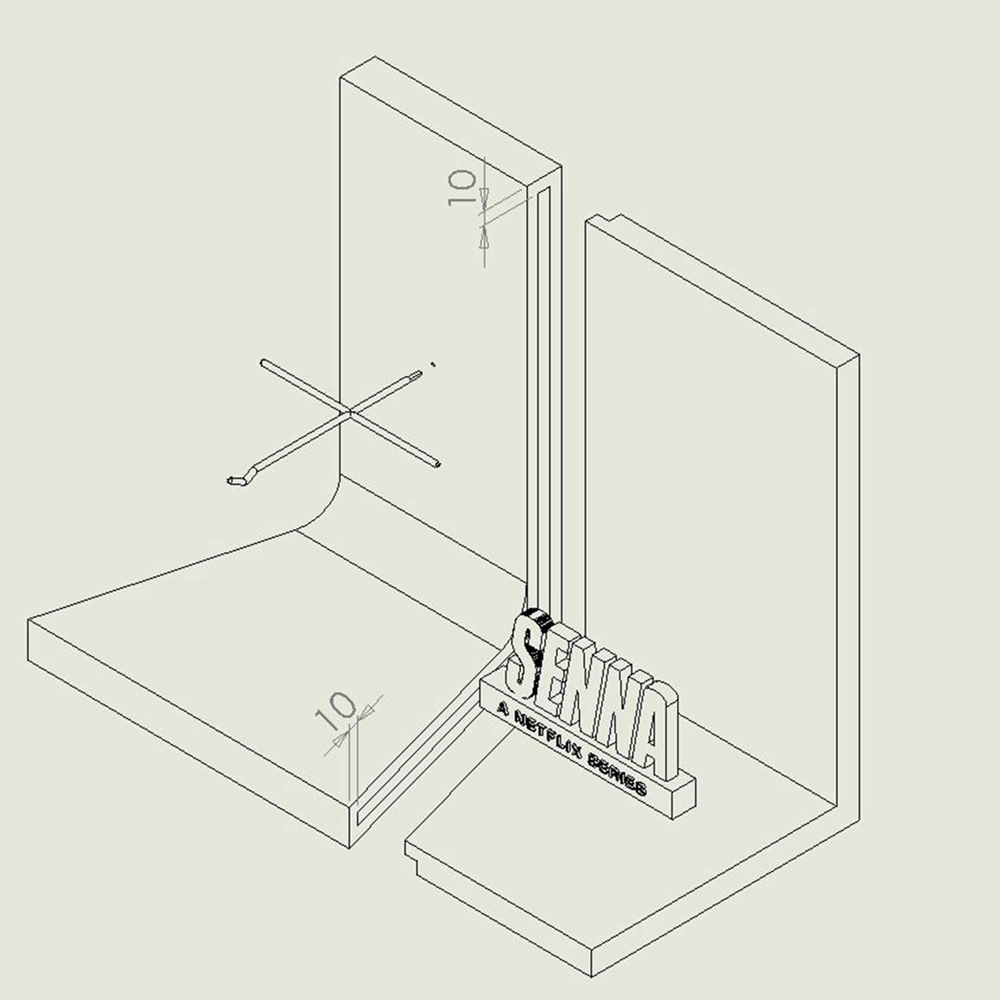
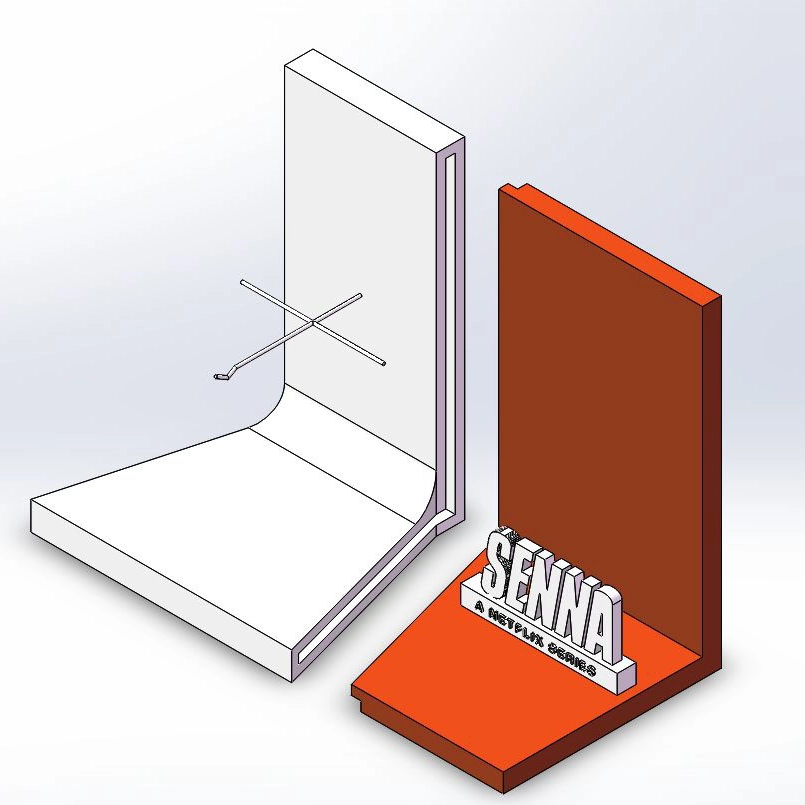
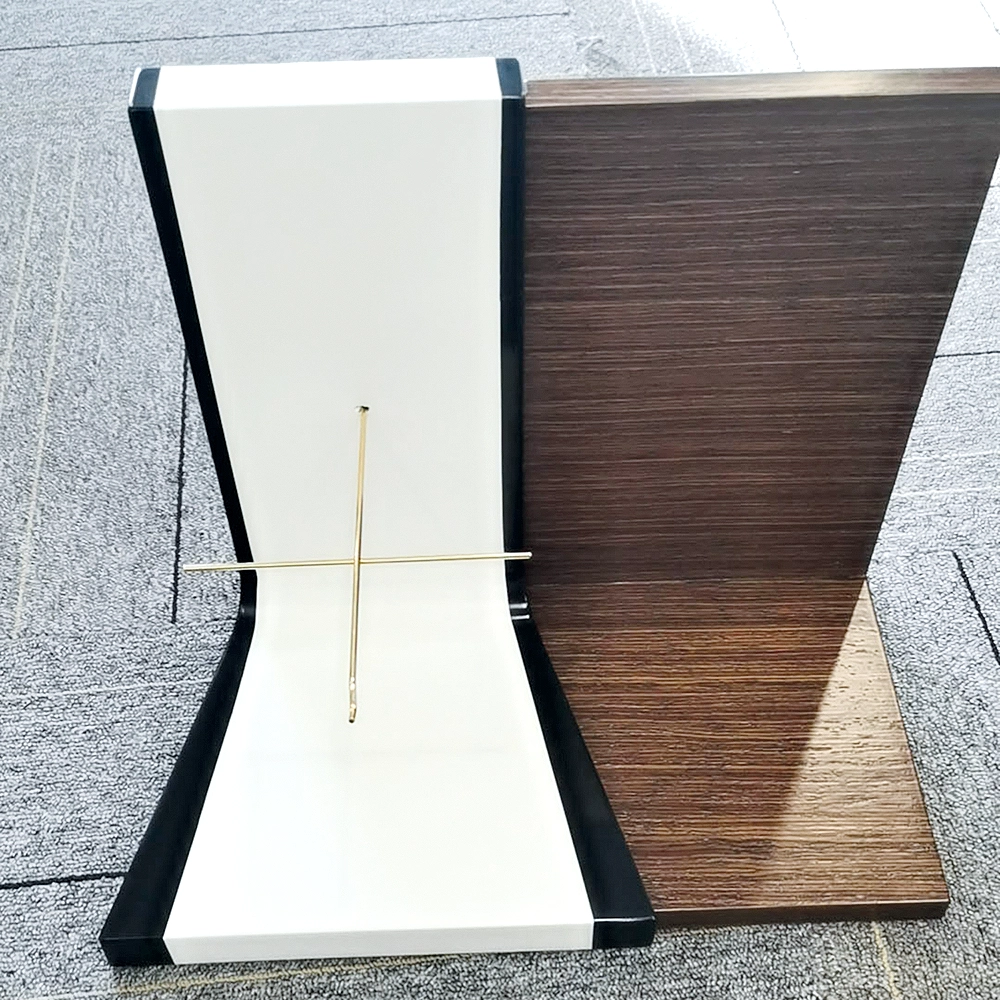
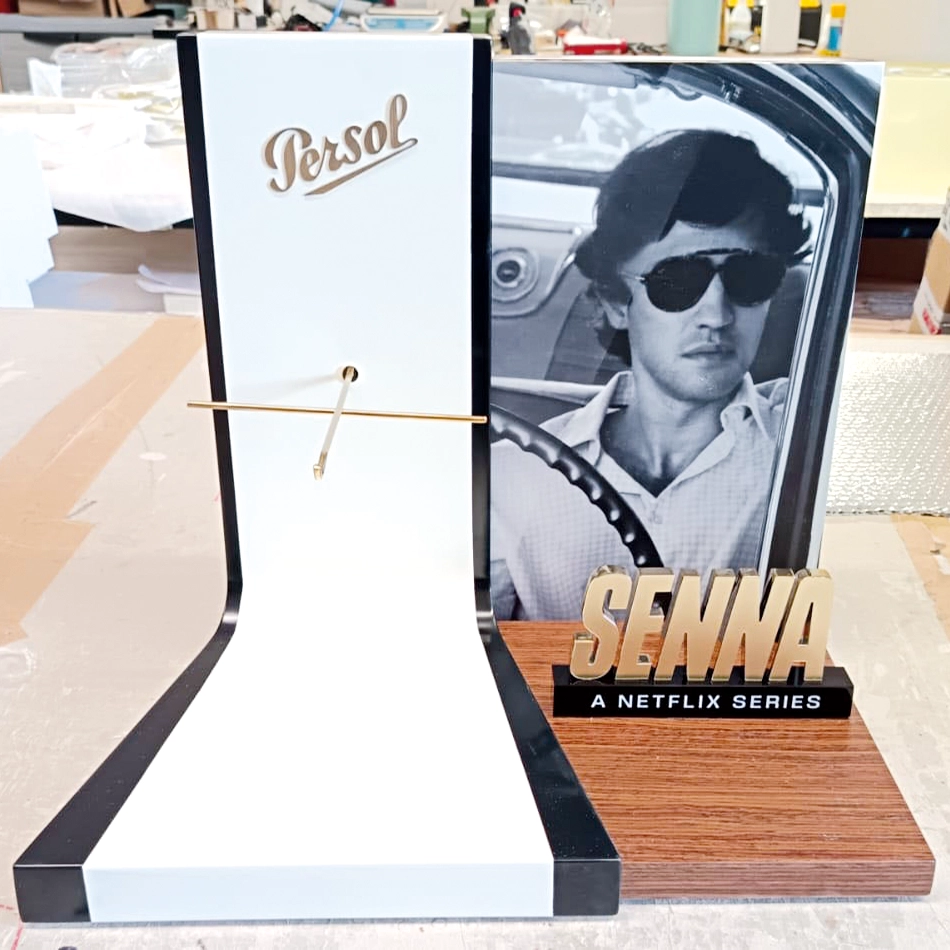
Trust Seven Group for packaging and display prototyping
At Seven Group, we offer a complete design and prototyping service for packaging and displays. From rapid prototyping to physical or virtual mock-ups, we support you every step of the way to validate shapes, materials and functionality before final production.
Contact us to find out how to turn an idea into a concrete, tested prototype, reducing errors, optimising time and improving sales performance.
Related articles
Counter Displays: Materials, Formats and Solutions for the Point of Sale
Guide to counter displays for products and points of sale: materials, formats,…

Window Display Design: From Concept to Custom Production
How a custom window display is created: concept, design, materials, production…
How to Become a Visual Merchandiser
In this guide, you will find a clear and practical path to understanding the…