

In the world of cosmetics, cosmetic packaging is much more than just a wrapper: it is the first visual and emotional contact between the brand and the consumer. It protects, it tells, it conquers. In an industry where aesthetics, functionality and sustainability are intertwined, choosing the right packaging means positioning yourself strongly in the market and communicating your value in a distinctive way.
In this article we will guide you in choosing the right cosmetics packaging for your product line, analysing the main types, emerging trends, strategic decision criteria and the best production solutions. You will understand why integrated design is essential and how well thought-out packaging can become a powerful marketing and market positioning tool.
TABLE OF CONTENTS:
1. What is cosmetics packaging and why it is essential
2. The main types of packaging in cosmetics
3. How to choose the ideal packaging for your cosmetics
4. Current trends in cosmetics packaging
5. Who to contact for cosmetics packaging: companies and manufacturers
6. Design your cosmetics packaging with Seven Group
What is packaging for cosmetics and why it is essential
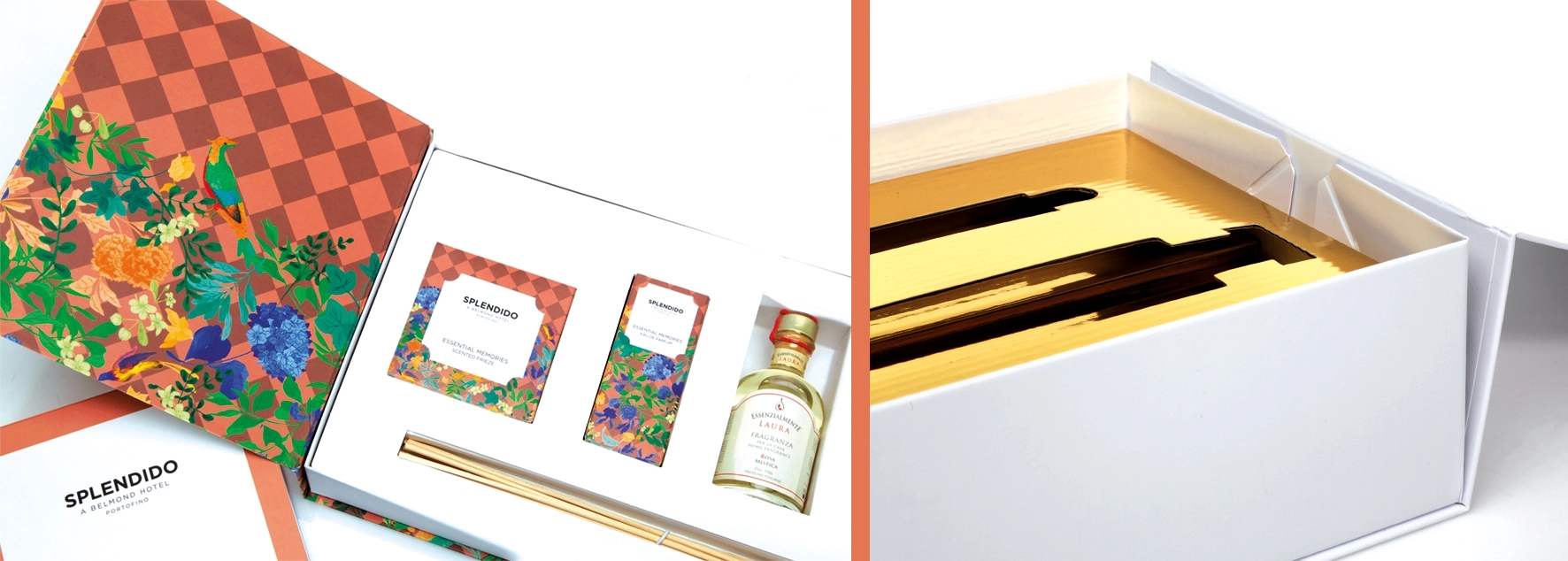
Packaging for cosmetics has a dual function: technical and emotional. It protects the product from contamination, light, air and impacts, but at the same time it must convey brand value, stand out on the shelf and inspire confidence. An effective choice of packaging can increase product perception and influence purchasing decisions.
The main types of packaging in cosmetics
In the cosmetics industry, packaging has two distinct but strongly interconnected levels: primary and secondary. Understanding their functions and designing both in a coordinated manner is crucial to deliver a consistent, effective and memorable brand experience.
Primary packaging: functionality, security and interaction
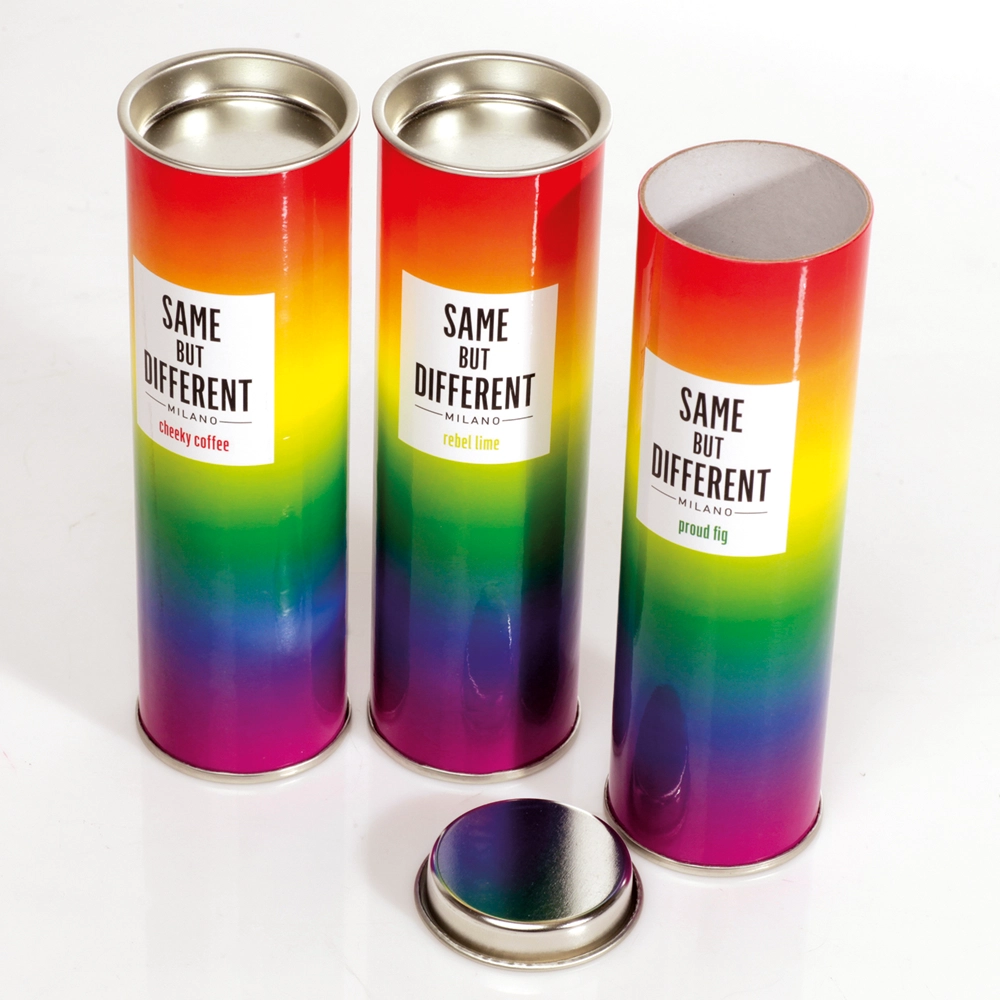
Primary packaging is the container that comes into direct contact with the cosmetic product (e.g. bottles, tubes, jars, airless, droppers). Its main functions are:
Protecting the formula from external agents (air, light, humidity, contamination)
Guaranteeing hygiene and safety during use
Favouring positive and intuitive interaction by the user (ergonomics, ease of use)
The choice of materials (glass, PET, PP, aluminium, bioplastic) and closure technologies (pumps, dispensers, screw cap, flip-top) depends strictly on the characteristics of the formula and the desired user experience.

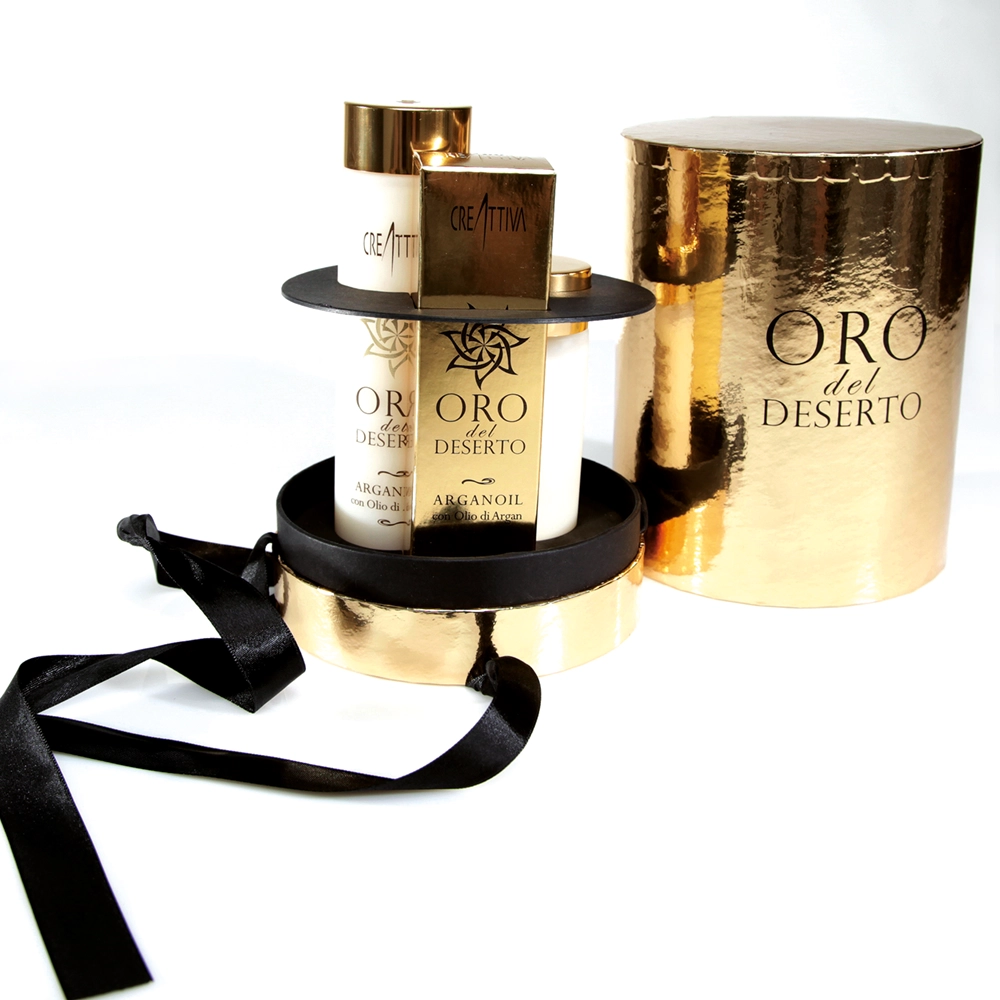
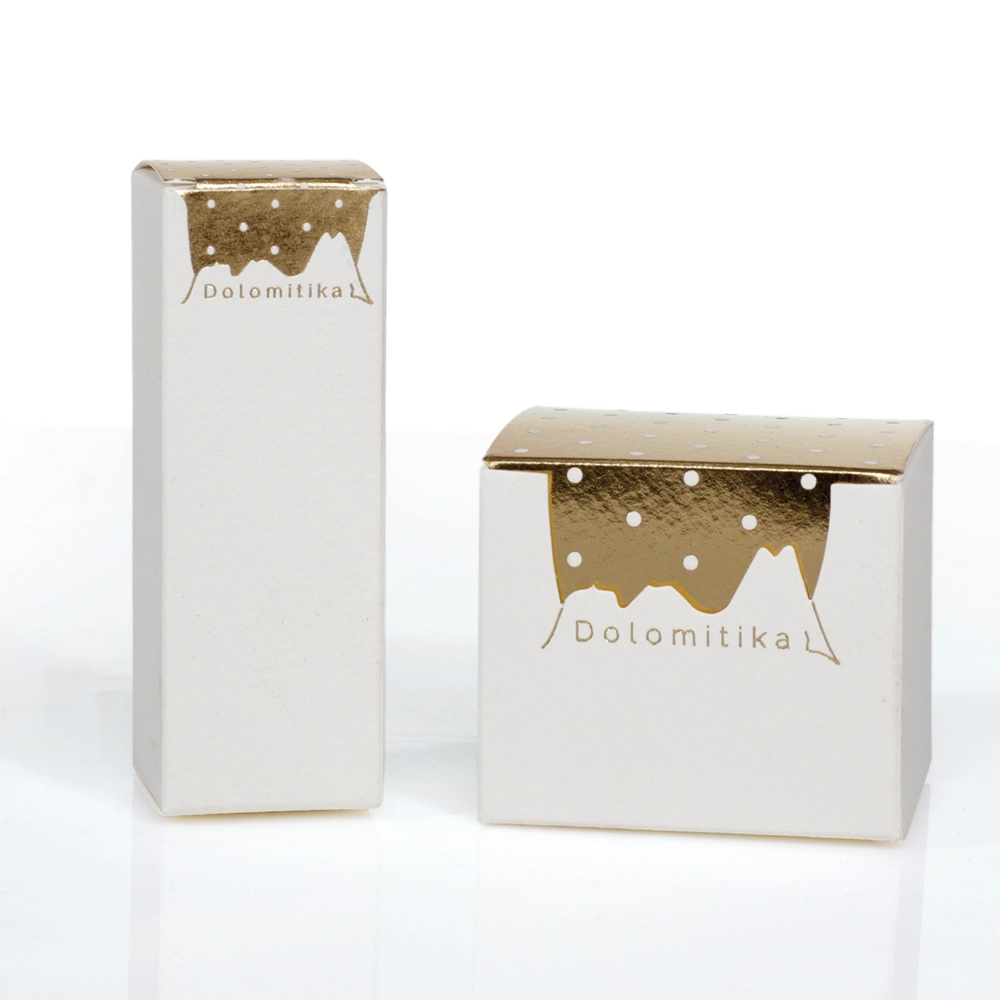
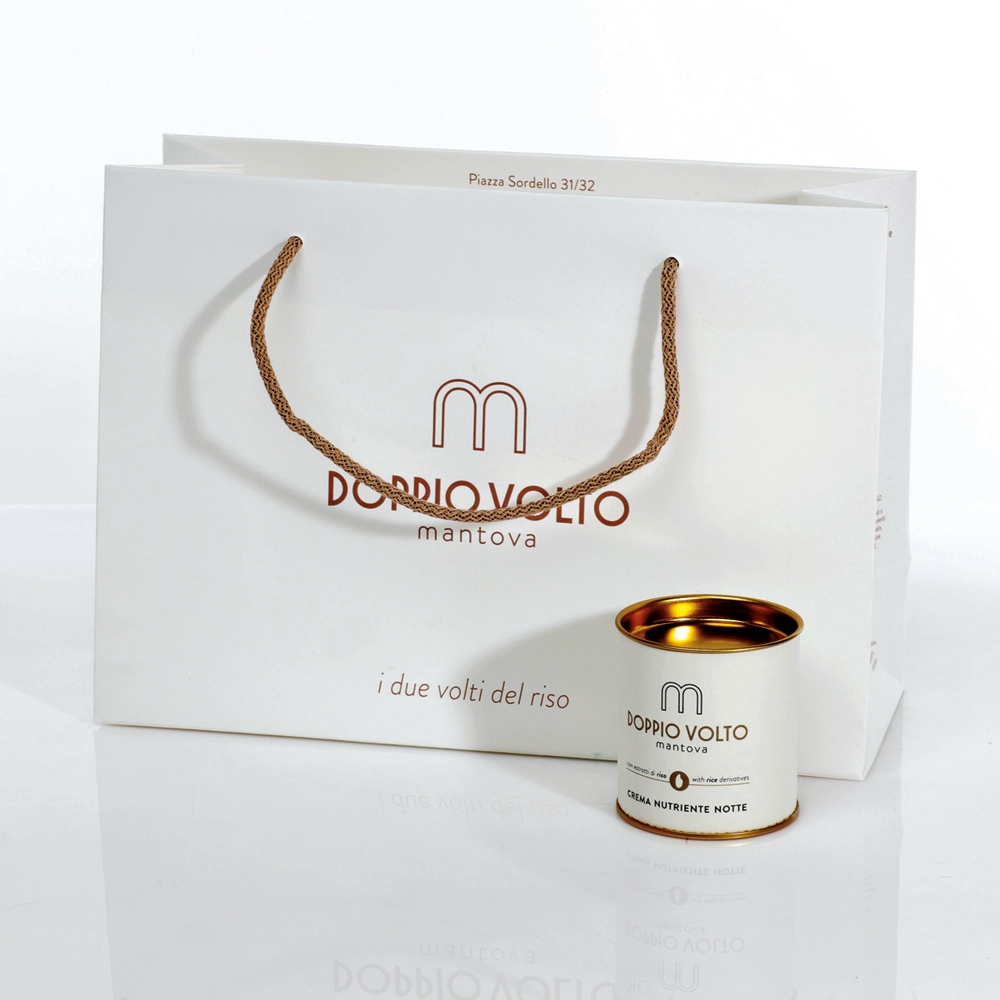
Secondary packaging: branding, storytelling and conversion
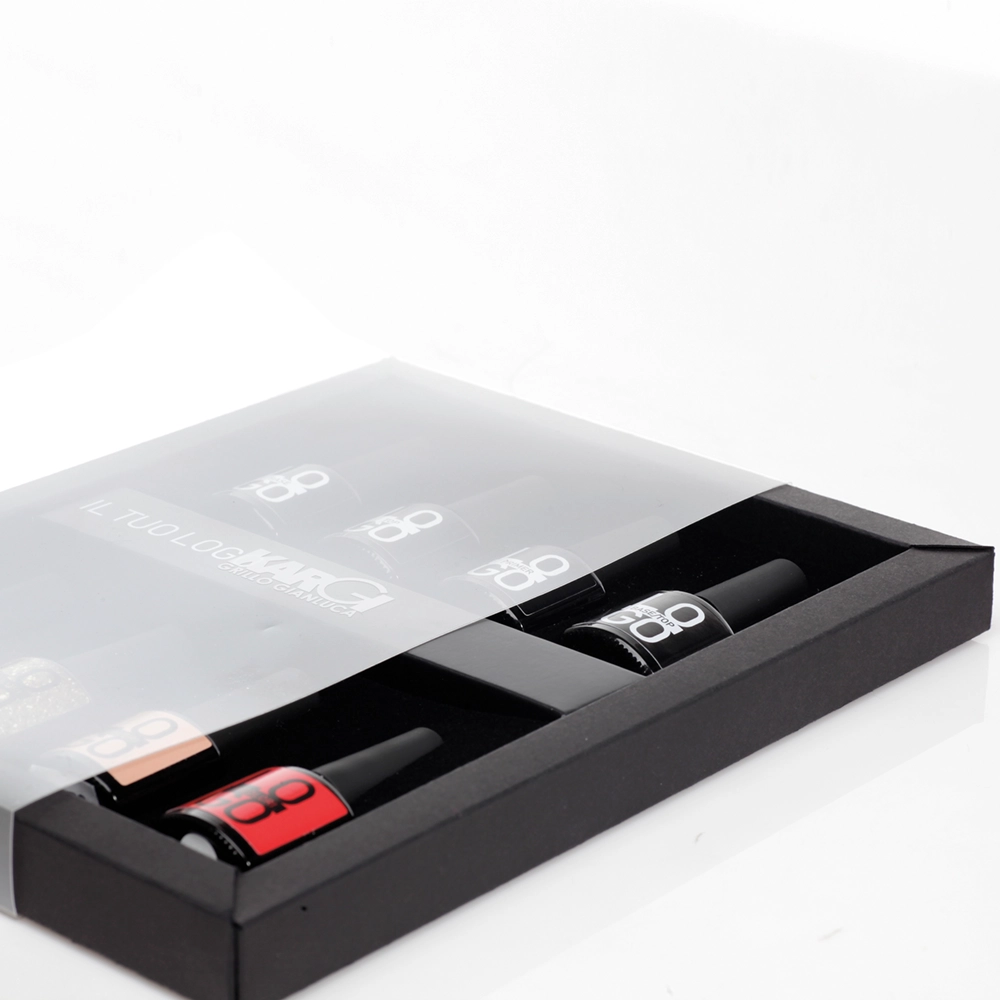
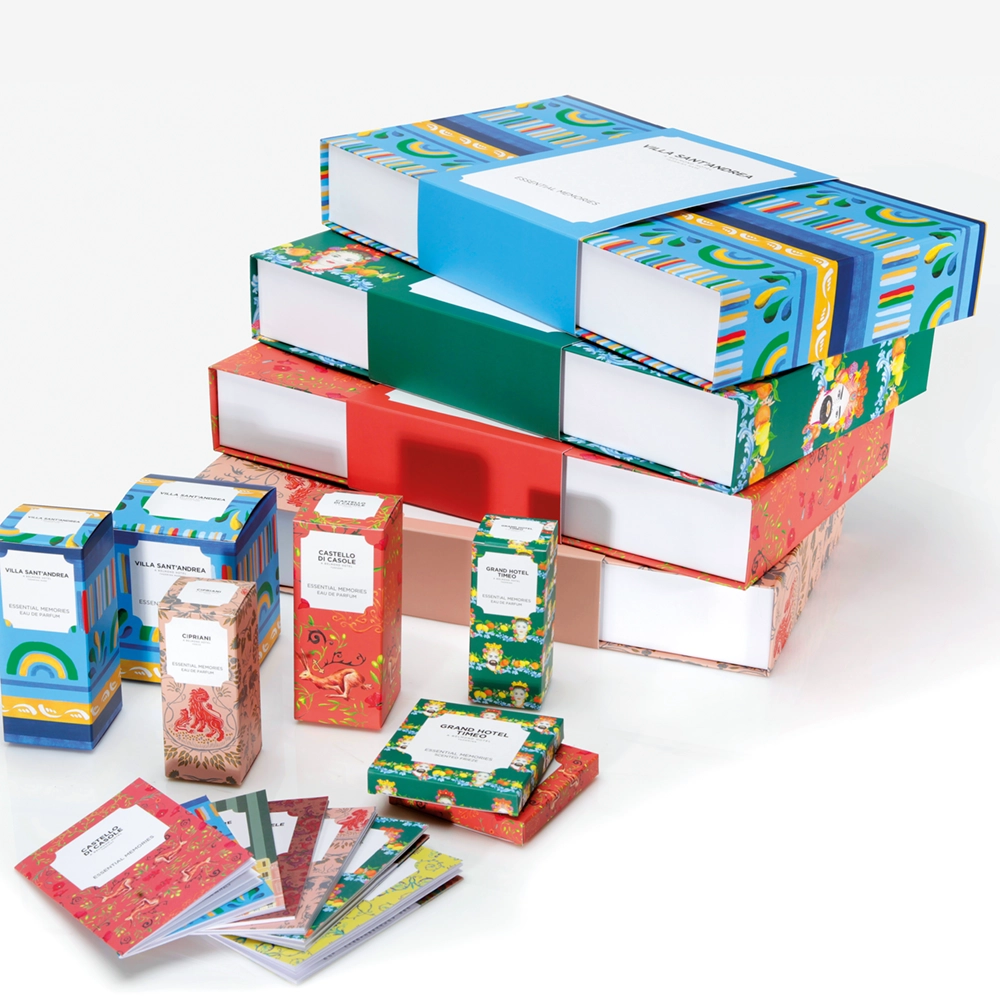
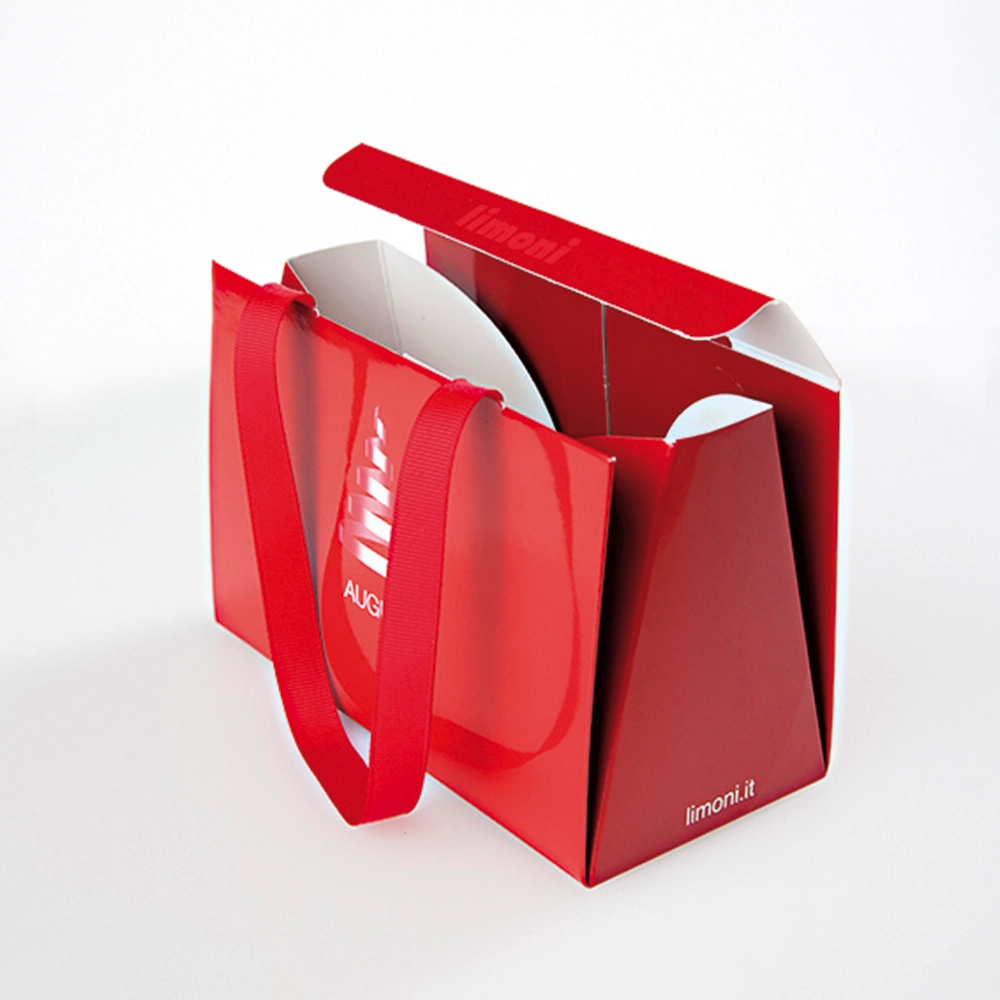
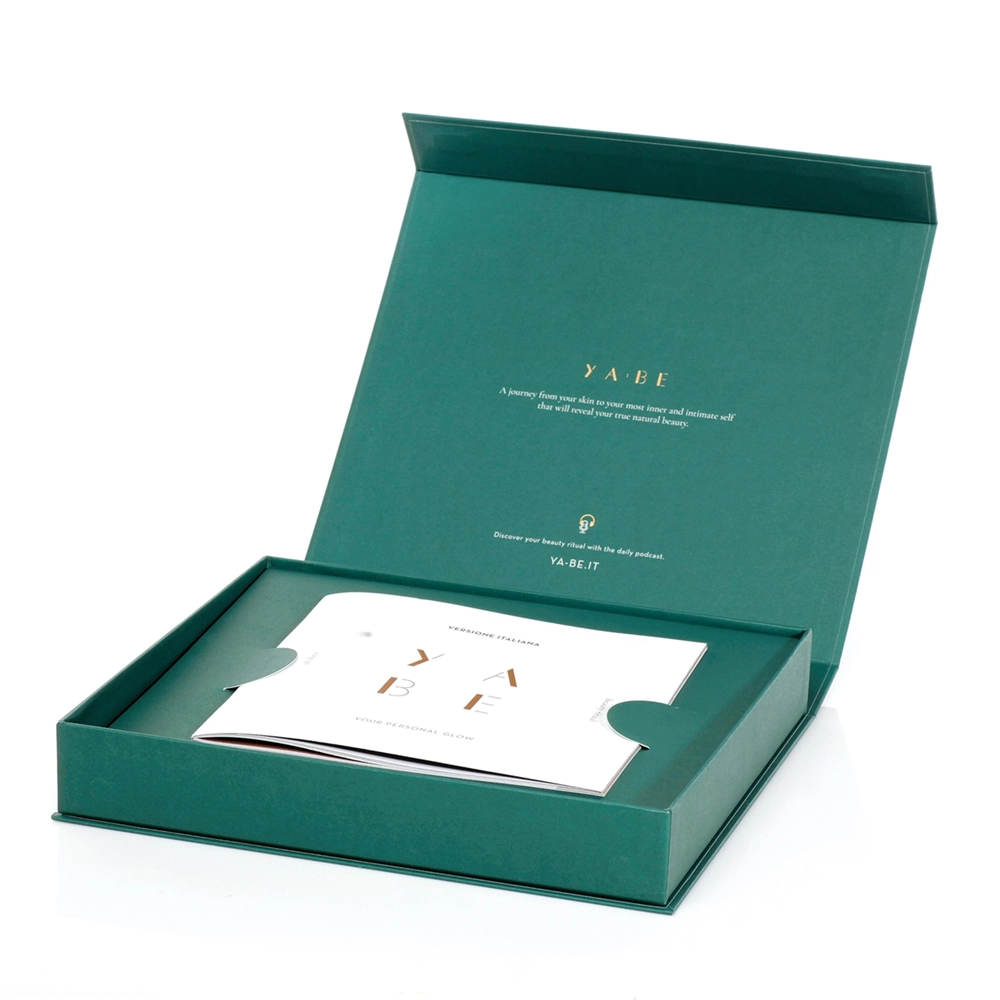
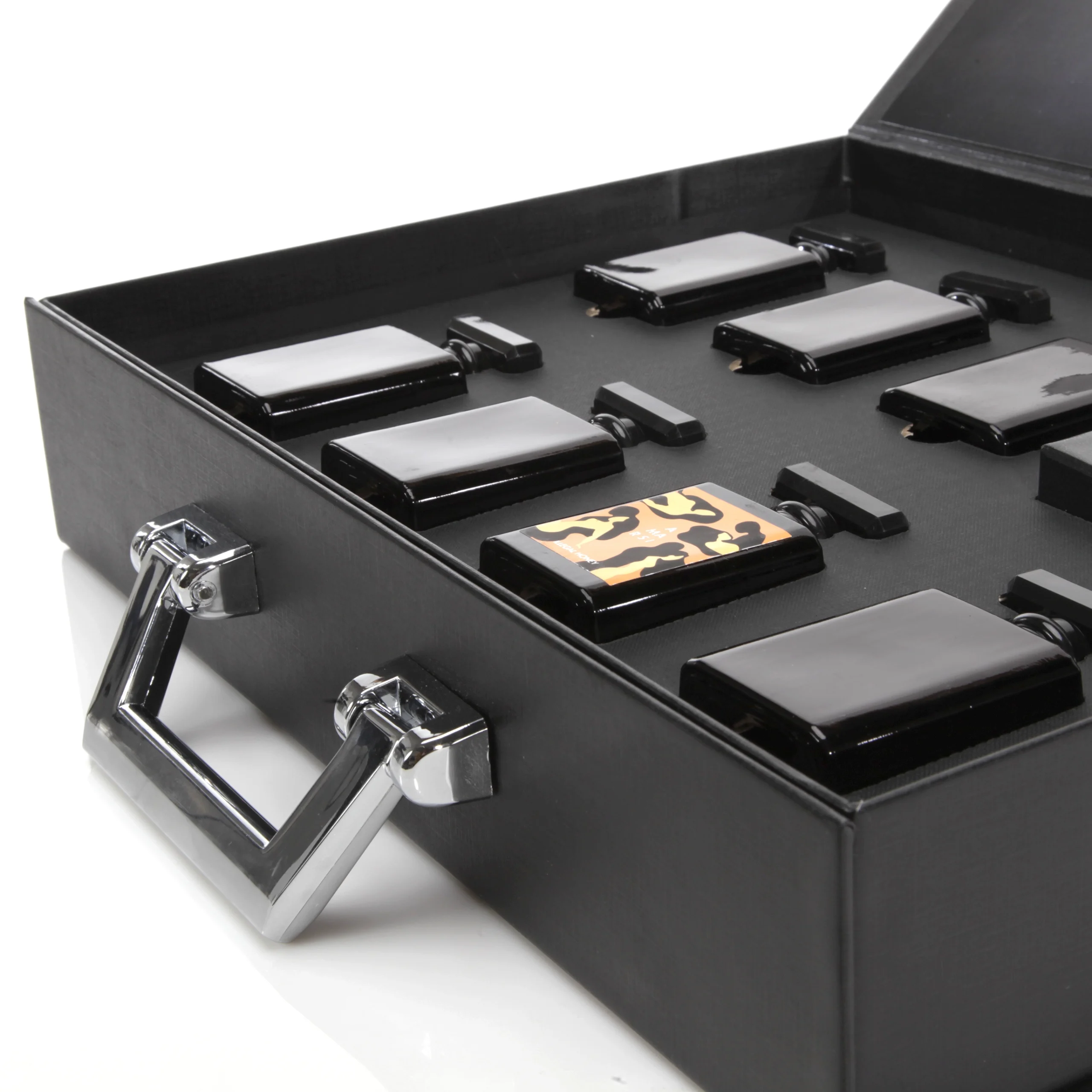
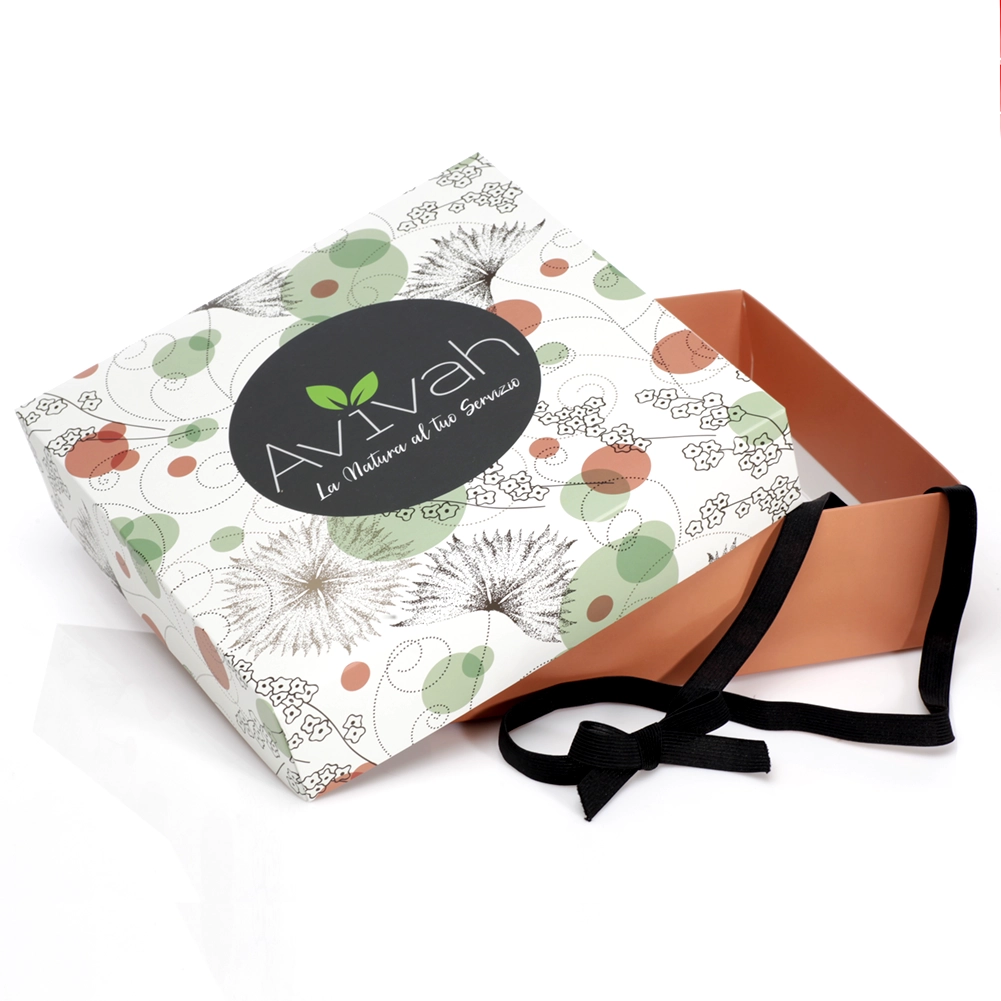
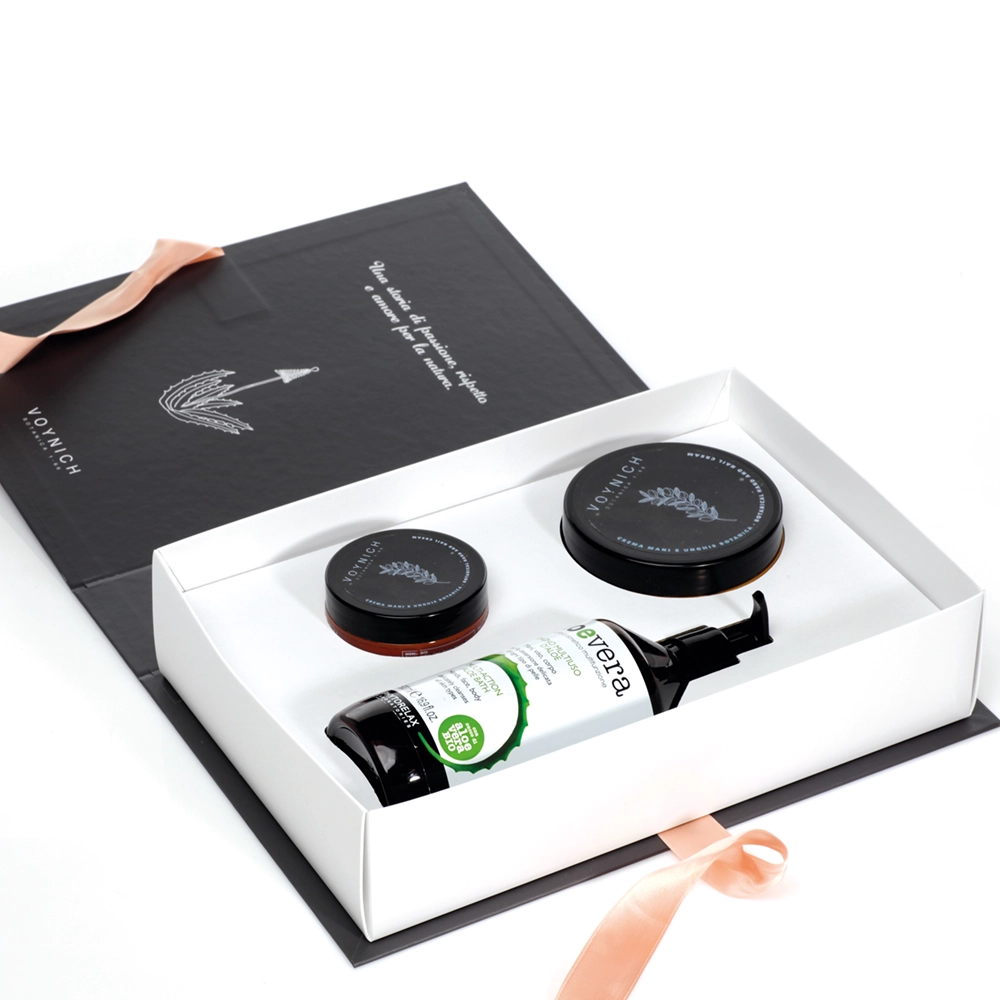
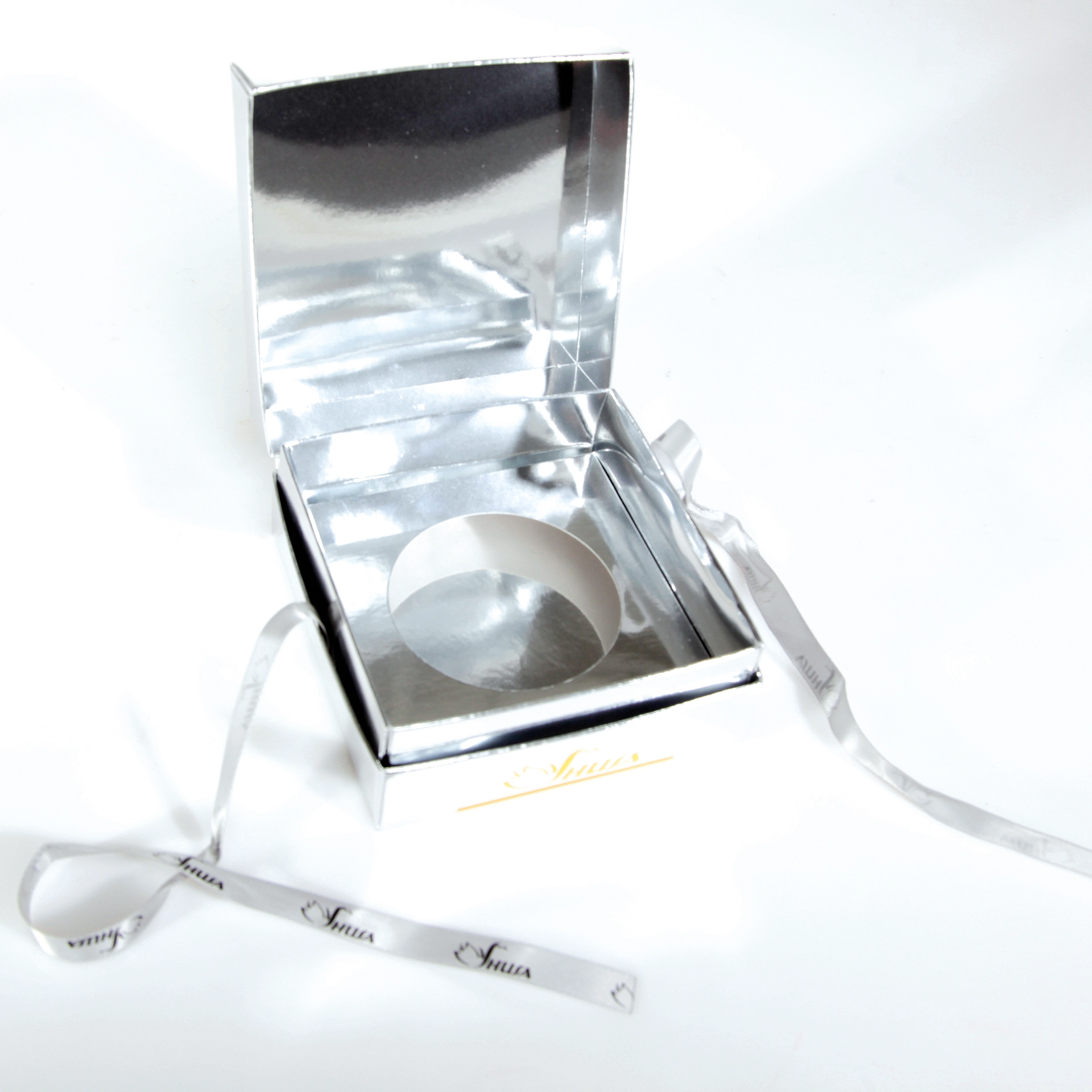
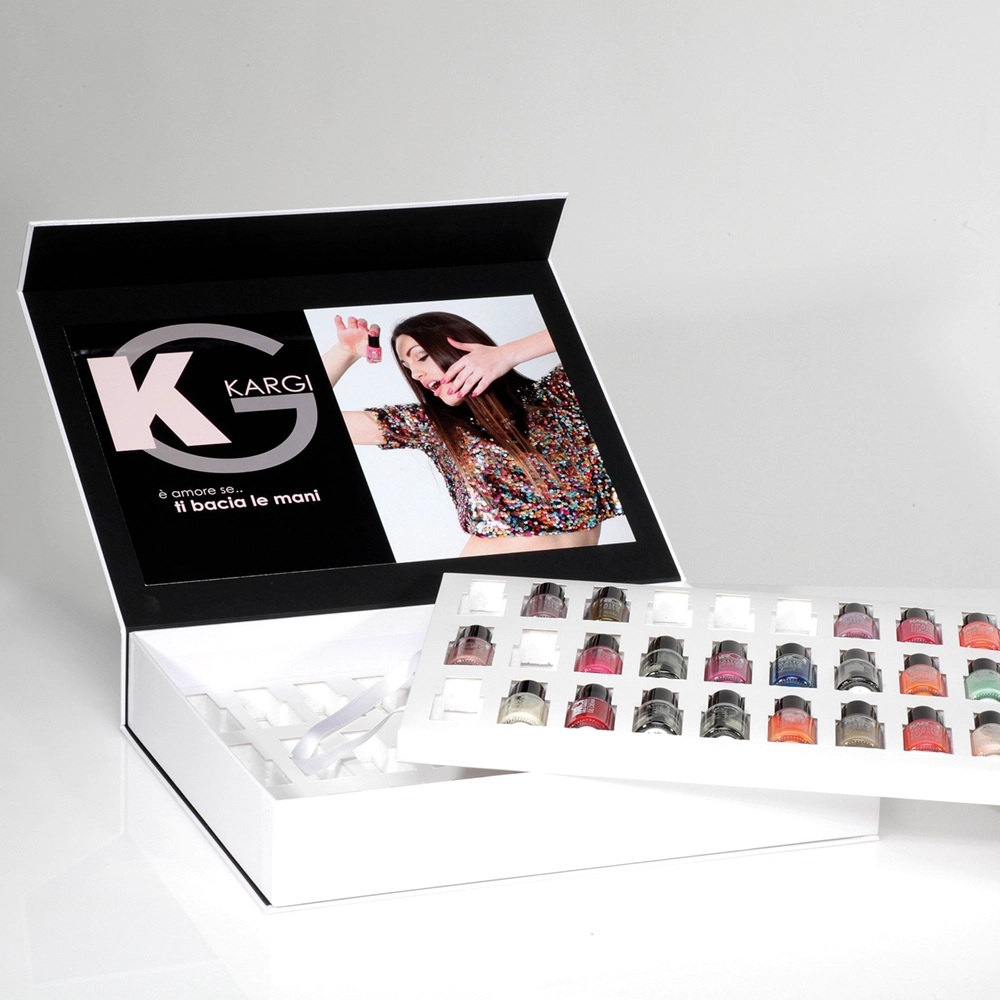
Often underestimated, secondary packaging (cases, sleeves, boxes, labels, liners) is actually a very powerful marketing and branding tool. It not only protects the primary container during logistics and transport, but:
- Catches the consumer’s attention on the shelves or in online ads
- Communicates brand identity through graphics, textures, finishes and colours
- Tells a story consistent with the values of the product (luxury, organic, sustainability, innovation)
- Provides space for useful information: composition, benefits, methods of use, certifications
- Directly affects the value perception of the cosmetic and its price positioning
- Well-designed secondary packaging can turn an impulse purchase into an informed choice, and in many cases is the deciding factor between two similar products.
The importance of coordinated design
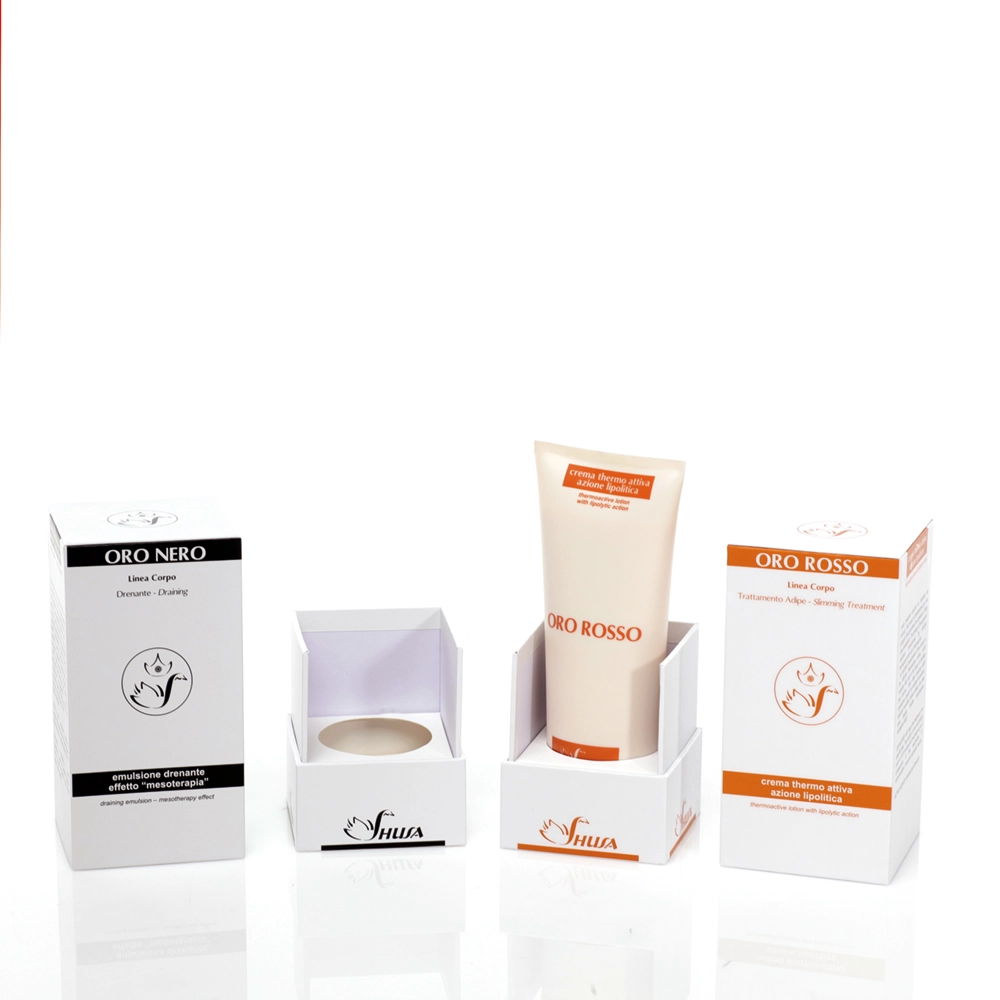
The real strength of effective packaging lies in the synergy between primary and secondary. The two levels must be designed in parallel, not separately. This integrated approach enables:
How to choose the ideal packaging for your cosmetics
Choosing the ideal packaging for cosmetic products is not a superficial or standardised process: it is a crucial step that requires strategic vision, technical expertise and a deep understanding of the target market. Indeed, the packaging must meet functional, aesthetic, regulatory and positioninge requirements at the same time.
Analysis of the type of product and its formulation
Each cosmetic formula has specific chemical and physical characteristics that directly influence the choice of material and closure technology:
- Oily or alcoholic products require containers with a high barrier (e.g. glass or barrier plastic).
- Light-sensitive formulas require opaque or UV-treated packaging.
- Natural and organic cosmetics need materials that guarantee stability and long shelf-life, with a focus on sustainability. Viscosity also has an impact: a thick cream requires a jar or tube, while a serum may benefit from a dropper or airless bottle.
Distribution channel and mode of use
The sales channel strongly influences the choice of packaging:
– For physical retail, the pack must have a strong visual impact on the shelf.
– For e-commerce, shock-resistant, compact, easy-to-stack packs with legible labels should be preferred.
– In professional channels (e.g. spas, pharmacies, beauty studios), a clean, professional and practical design that can be used several times a day is preferable.
In addition, it is important to consider the mode of use: products for travel, refill, or daily domestic use require different solutions in terms of size, ergonomics and practicality.
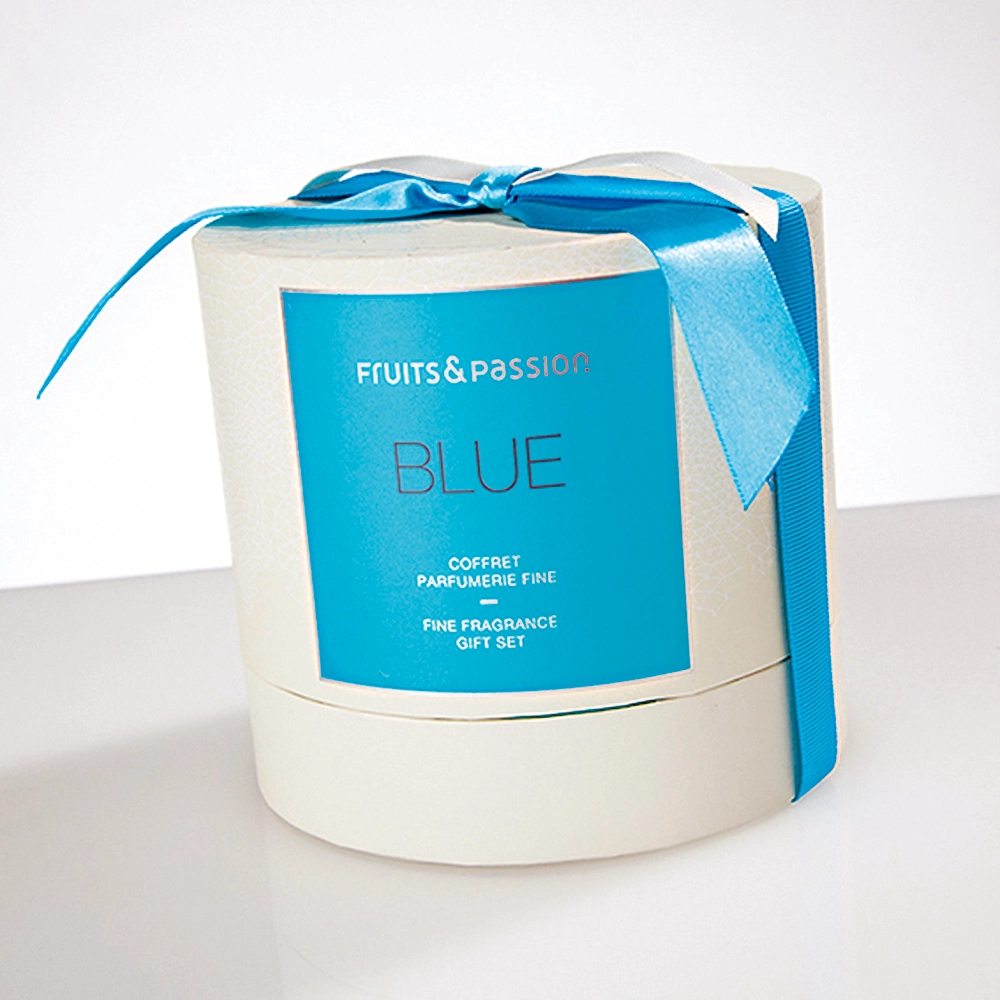
Target audience and brand positioning
Il packaging deve parlare il linguaggio del pubblico a cui si rivolge:
- Per un target giovane, può funzionare un pack colorato, dinamico, moderno.
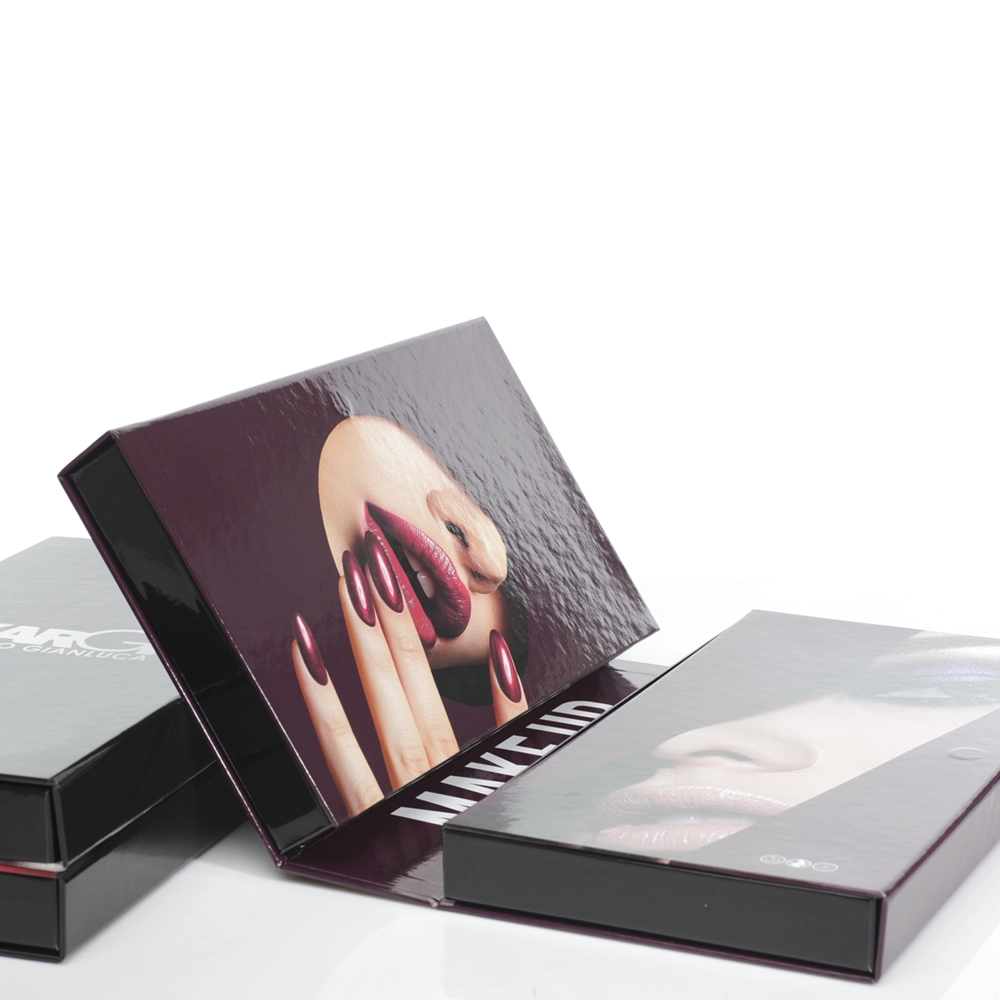
- Per un target premium, sono indicati materiali come vetro, alluminio o plastica soft-touch, con finiture eleganti e minimal.
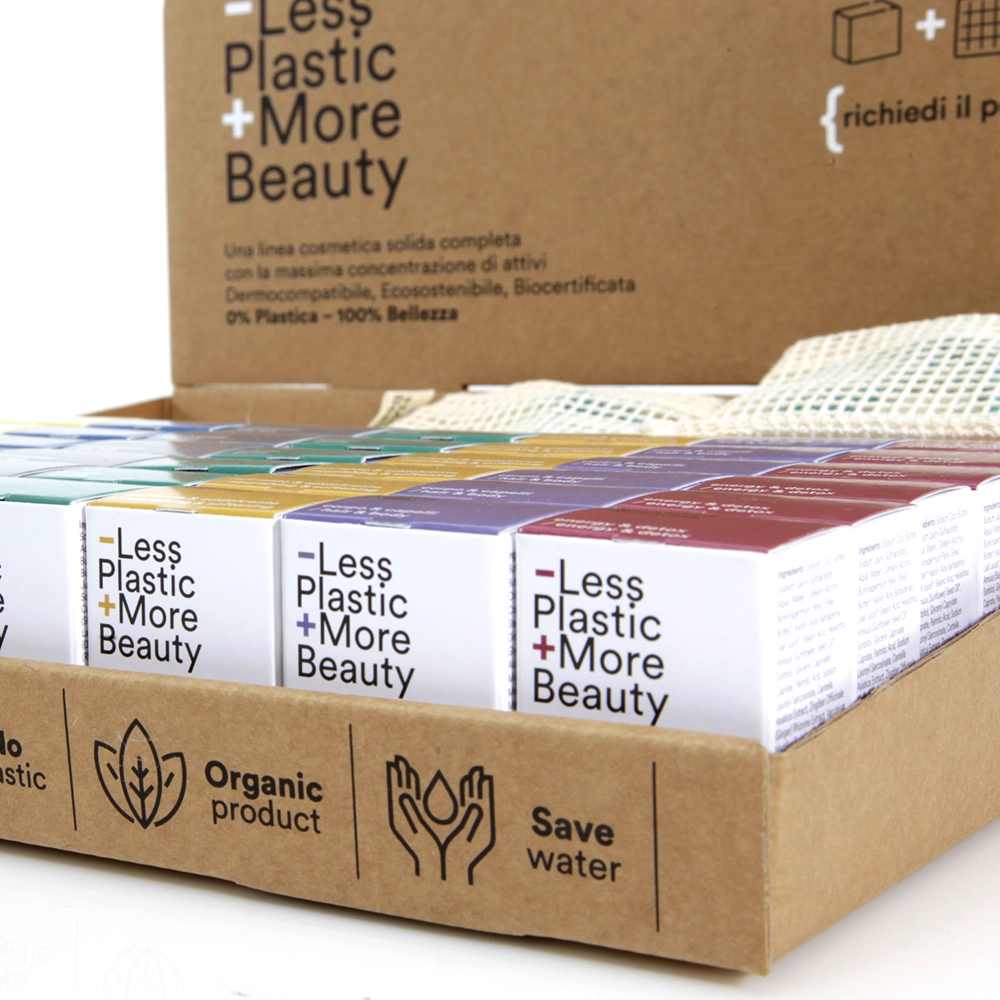
- Per un pubblico eco-conscious, la chiave è comunicare la sostenibilità del pack (es. carta FSC® (FSC® – C183137), plastica riciclata, packaging monomateriale o refill).
In ogni caso, il packaging deve riflettere i valori del brand e contribuire a posizionarlo in modo coerente sul mercato.
Regulatory constraints and technical requirements
Cosmetic packaging is not just a beautiful and functional container: it must comply with precise regulations in terms of labelling, safety, materials in contact with the product and traceability. It is essential:
– Check the conformity of the material (e.g. plastics suitable for contact with cosmetic substances).
– Comply with INCI labelling rules and mandatory symbols (PAO, recycling, etc.).
– Ensure that the pack is easily inspectable and resealable, where required.
A good manufacturer can also guide you through technical documentation and compatibility tests.
Costs, quantity and sustainability
Finally, packaging must be sustainable not only for the environment, but also for your business:
- Choose formats and materials in line with expected production volumes.-
- Optimise space and weight to reduce logistics costs.-
- Consider modular or sectional solutions to contain costs and promote flexibility.-
- Assess the environmental impact with a view to the circular economy, also in view of European regulations (e.g. PPWR – Packaging & Packaging Waste Regulation).

Current trends in cosmetics packaging production
The cosmetic packaging manufacturing sector is undergoing rapid change. The latest trends include:
Eco-friendly materials: glass, recycled plastic (PCR), bioplastic and paper are increasingly in demand. Sustainability is no longer an option but a requirement.
Refillable packaging: refillable solutions are gaining ground, especially in the skincare and luxury segments.
Aesthetic minimalism: fewer superstructures, neutral colours, transparencies and clear messages. The essentials communicate authenticity and modernity.
Smart technologies: dynamic QR codes, NFC labels and blockchain traceability to improve the customer experience and guarantee product authenticity.
Extreme personalisation: thanks to digital printing, it is now possible to create limited editions or seasonal collections at low cost.
Who to turn to for cosmetic packaging: companies and manufacturers
Relying on a company specialising in cosmetics packaging means much more than ordering a container: it means building a strategic partnership that has a direct impact on the perception of your brand and the commercial success of your product.
An experienced company such as Seven Group is able to support you at all stages of the project, providing a multidisciplinary team capable of combining design, functionality and innovation.
This is what a top packaging manufacturer offers:
Technical and design consultancy
A good packaging company does not just produce, but analyses the characteristics of your cosmetic (formulation, intended use, target audience, sales channel) and proposes solutions that combine aesthetics, safety and usability. This phase includes:
- Analysis of the most suitable materials (glass, plastic, paper, biopolymers)-
- Study of compatibility with content
- Definition of ideal format and dispensing methods-
- Design proposals consistent with brand positioning
Customisation and graphic design
Packaging is a communication tool. A good manufacturer supports you in the development of graphics, the choice of finishes, the creation of distinctive visual effects (lamination, embossing, UV printing, soft-touch) and the consistent use of colour, font and logo.
Prototyping and testing
Before production, it is essential to go through physical prototypes to test:
- Ergonomics and user experience
- Resistance and tightness-
- Visual impact and perception of quality-
- Adaptability to filling and packaging machinery
This process allows time to be optimised, errors avoided and an effective end result ensured.
Flexible production and logistics
A competent partner is able to handle both small-scale production (for limited collections or beauty start-ups) and large volumes, guaranteeing
- Fast production times
- Certified quality control
- Customised packaging
- Optimisation for transport (especially for e-commerce)
Design your cosmetic packaging with Seven Group
At Seven Group, we support cosmetics brands in creating the perfect packaging, combining sustainable materials, innovative design and advanced technical expertise. We work with Italian and international companies to enhance each product through packaging that best expresses its identity.
Contact us for a no obligation consultation and discover how we can help you transform your packaging into a sales and positioning tool.
Related articles
Counter Displays: Materials, Formats and Solutions for the Point of Sale
Guide to counter displays for products and points of sale: materials, formats,…

Window Display Design: From Concept to Custom Production
How a custom window display is created: concept, design, materials, production…
How to Become a Visual Merchandiser
In this guide, you will find a clear and practical path to understanding the…