

Nothing is left to chance: behind every shop window is a vision.
When we stop in front of a shop window that has been carefully designed down to the smallest detail, we are often fascinated by what we see: a highlighted object, artfully studied lighting, an atmosphere that catches the eye. But what we rarely perceive is all the work behind that composition.
A shop window display does not come about by chance. Behind every choice there is an idea, a story to tell, a message to convey. It is a complex process, combining creativity, technique, craftsmanship and communication strategy.
Everything starts with a story.
The design of a shop window always starts with a fundamental question: what do we want to communicate?
It is this question that guides every subsequent choice, because every shop window is first and foremost a visual communication tool.
An effective shop window speaks about the brand, its products, the tone of the collection or the time of year. It can tell a lifestyle story, evoke feelings, reinforce brand identity or deliver a specific message. And to do this in a targeted manner, a well-defined narrative idea is needed.
This initial phase is strategic. It starts with listening to the customer, understanding the commercial and communication objectives. Target, positioning and context are analysed. In parallel, a research phase is activated: visual references are collected, sector trends are analysed, inspirations linked to the world of fashion, design and pop culture are explored.
The creative concept is then translated into a coherent visual direction, through moodboards, sketches, colour palettes and initial graphic suggestions. Each element is selected to help build a clear and recognisable visual narrative.
This is the phase in which the tone of the project is defined, the aesthetic coherence is established and the foundations are laid for all subsequent phases, from technical design to production.
A solid creative direction is the first step to a visually curated and identity-laden shop window display.
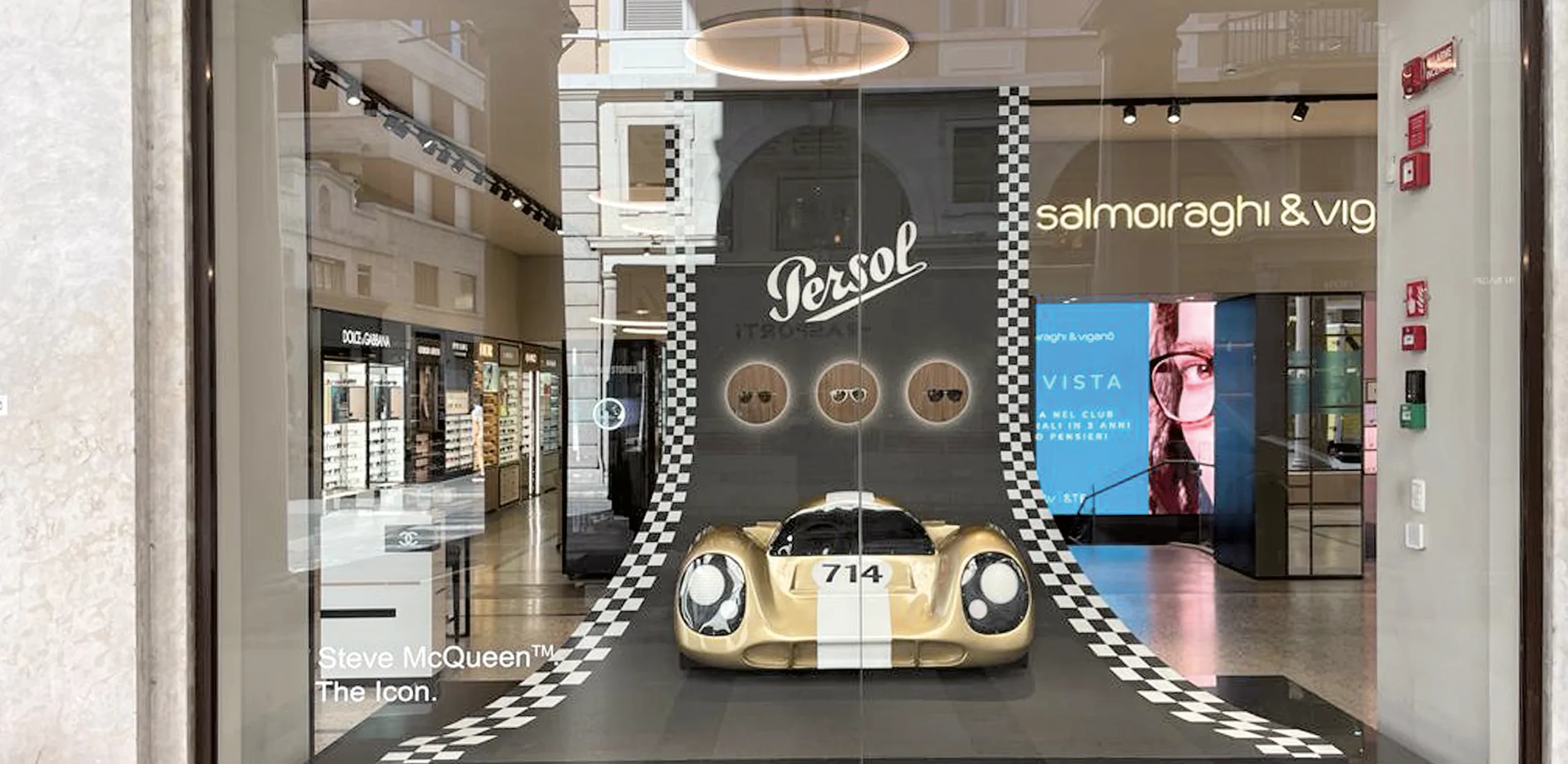
From idea to project.
Once the creative direction has been defined, one enters the actual design phase – that in which the concept takes concrete form.
It is here that intuition is translated into realisable solutions, balancing aesthetic vision and technical feasibility.
It starts with an analysis of the available space: size, depth, visibility from the street, focal point. Every detail counts. We reason in terms of volumes, proportions and perspectives, to build a harmonious and impactful layout.
The most suitable materials are selected, the colour palette is defined, lights and shadows are studied to enhance each scenic element.
To support the project, visual tools such as technical drawings, digital mockups and 3D renders are produced, allowing a clear and shared vision of the final result. These drawings make it possible to anticipate critical issues, test solutions and optimise the assembly.
But in addition to the aesthetic aspects, the project must meet very specific practical requirements:
– Is it easily transportable and quickly assembled?
– Is it stable and safe for the retail environment?
– Does it use sustainable or reusable materials?
– Is it designed to be adapted to other formats or contexts?
A good shop window project is one that succeeds in transforming the initial idea into a concrete and effective realisation, without compromising on visual quality, functionality and consistency with brand identity.

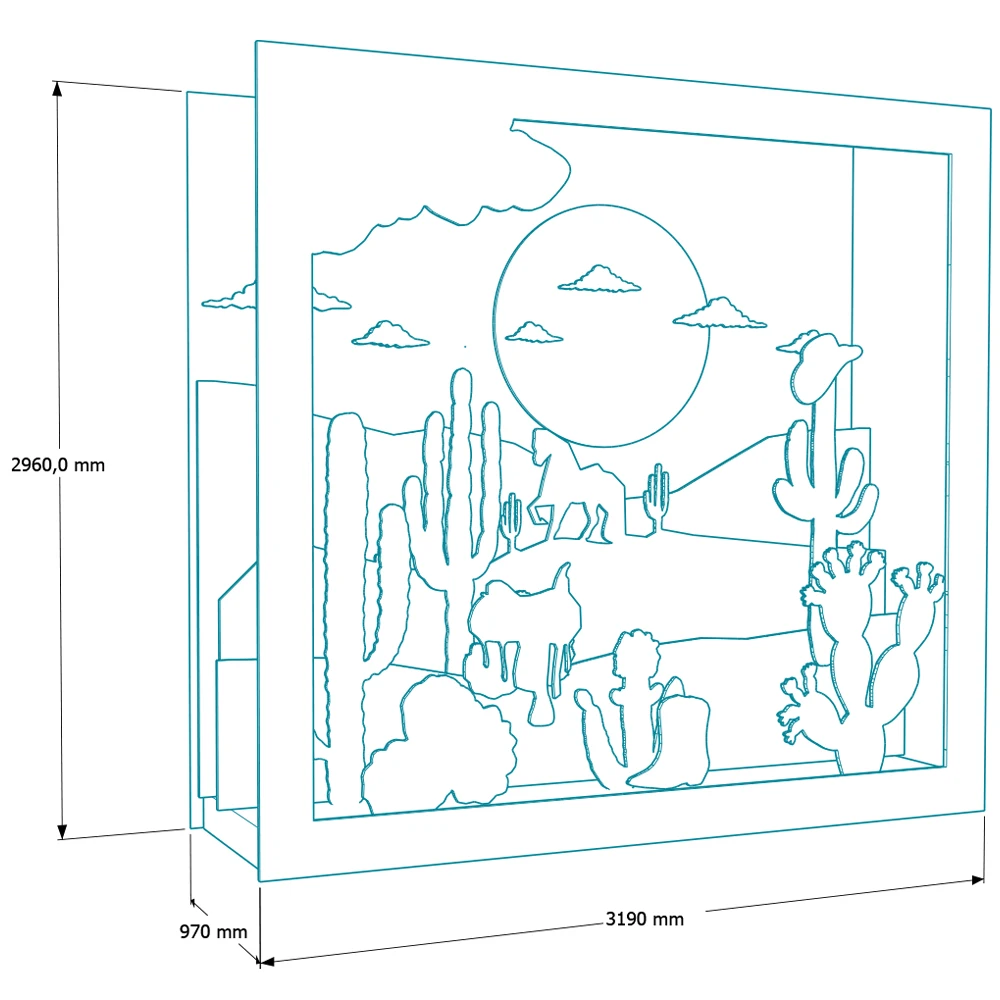
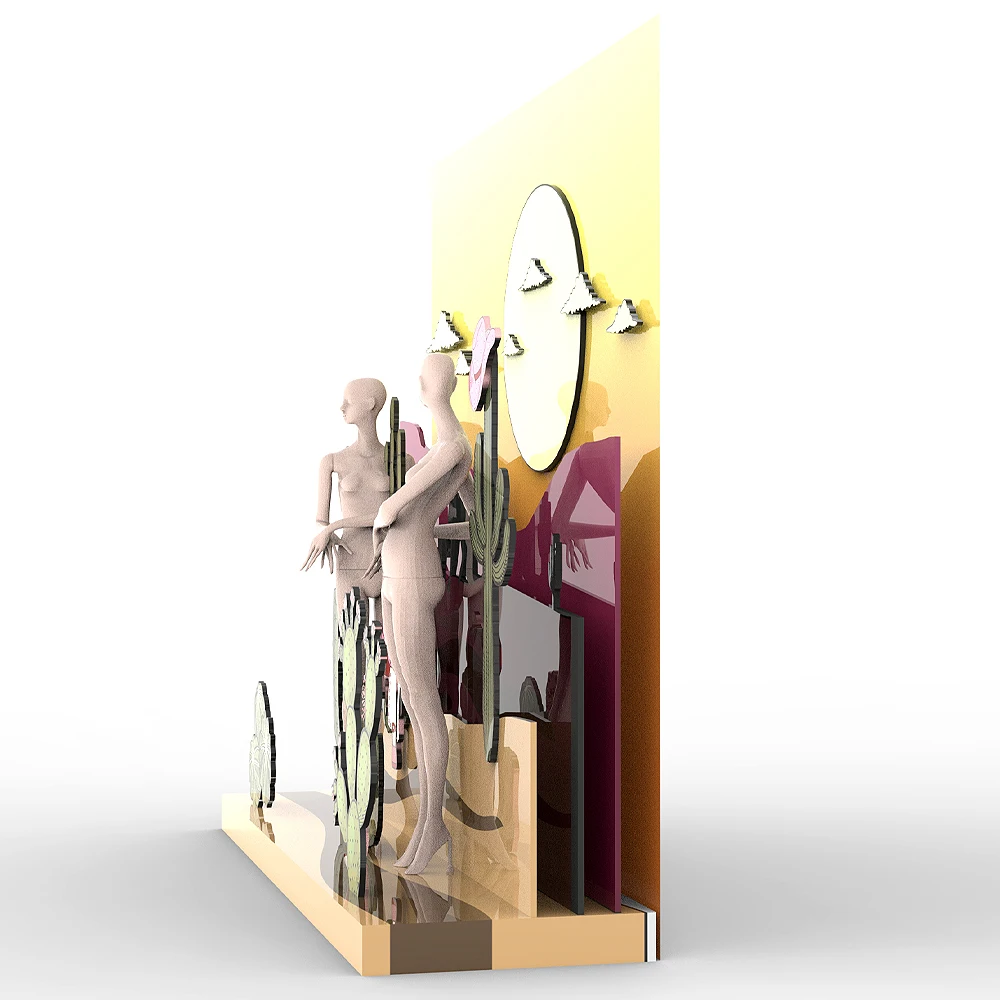
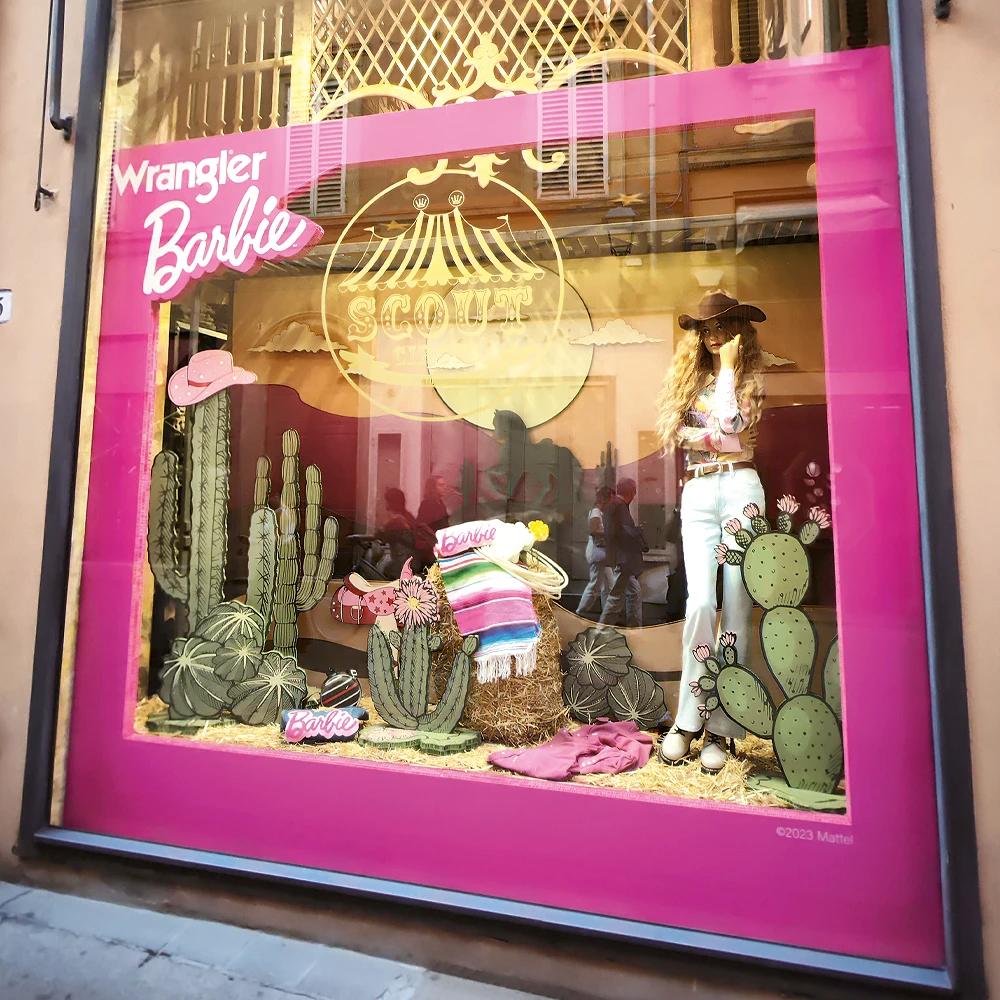
The making of window display elements: between technique and craftsmanship.
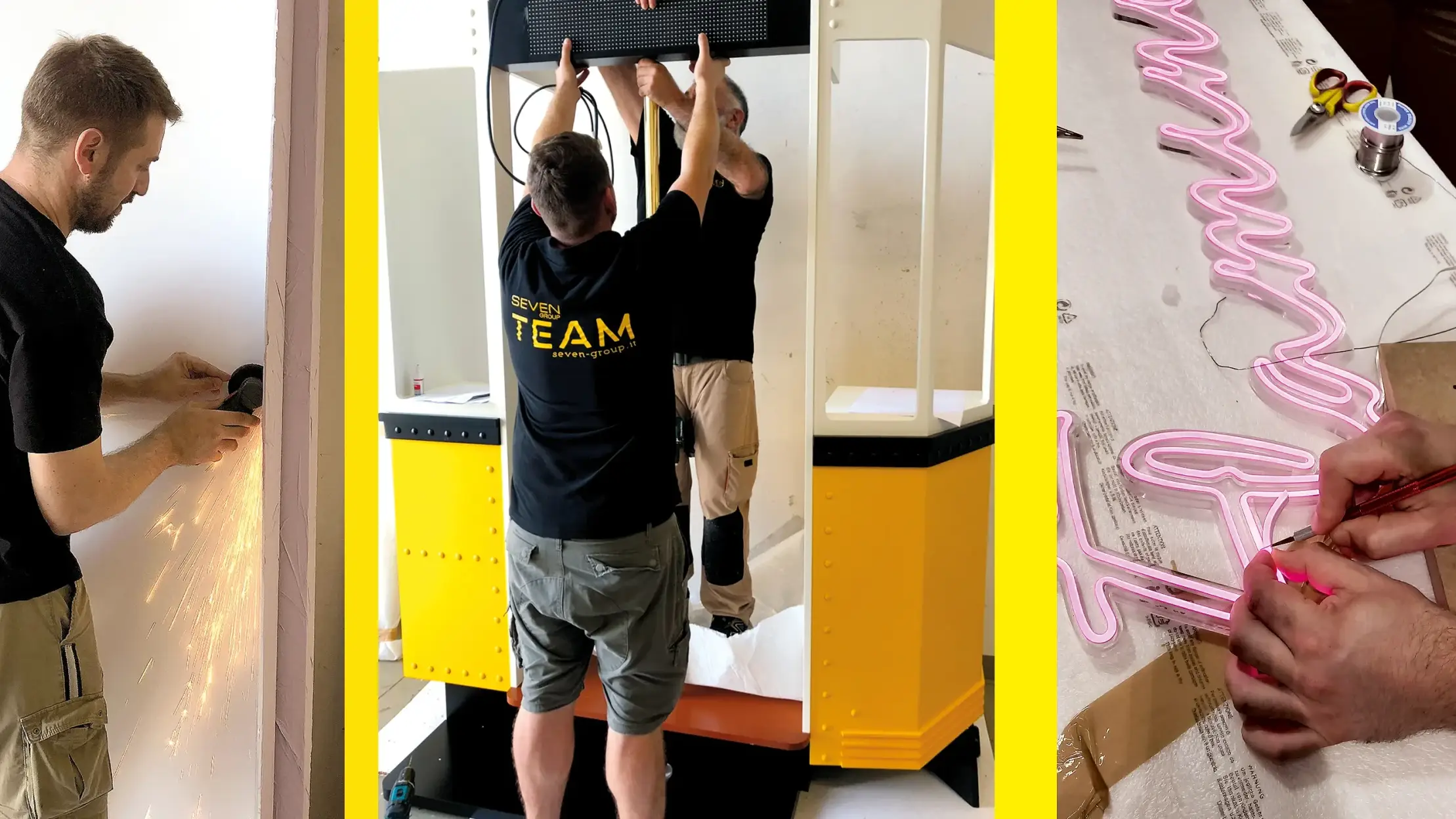
Once the design phase has been completed, the work gets into full swing with the physical construction of the elements that will make up the set-up.
This phase takes place mainly in the laboratory or workshop, where the project takes concrete form through a mix of craftsmanship and advanced technology.
Materials are cut, structures are assembled, graphics are prepared, lighting effects are tested and any moving or interactive components are checked. Every detail is taken care of to ensure that the result is consistent with the defined concept and technically sound.
The process may include traditional processes such as joinery or hand painting, alongside modern techniques such as laser cutting, direct UV printing, milling or the processing of special materials such as plexiglass or flexible LEDs.
This work requires high technical skills, attention to safety and a strong practical component.
Quality at this stage is decisive.
Each piece must be aesthetically impeccable, structurally sound and ready for transport and installation in store.
Durability, functionality and design fidelity are the minimum standards to be met, because the display is not just a “scene”, but a living element of the retail space.
This is where the project becomes reality: a key step, invisible to the end customer’s eye, but essential to ensure an effective result in line with expectations.
The installation of the in-store shop window.
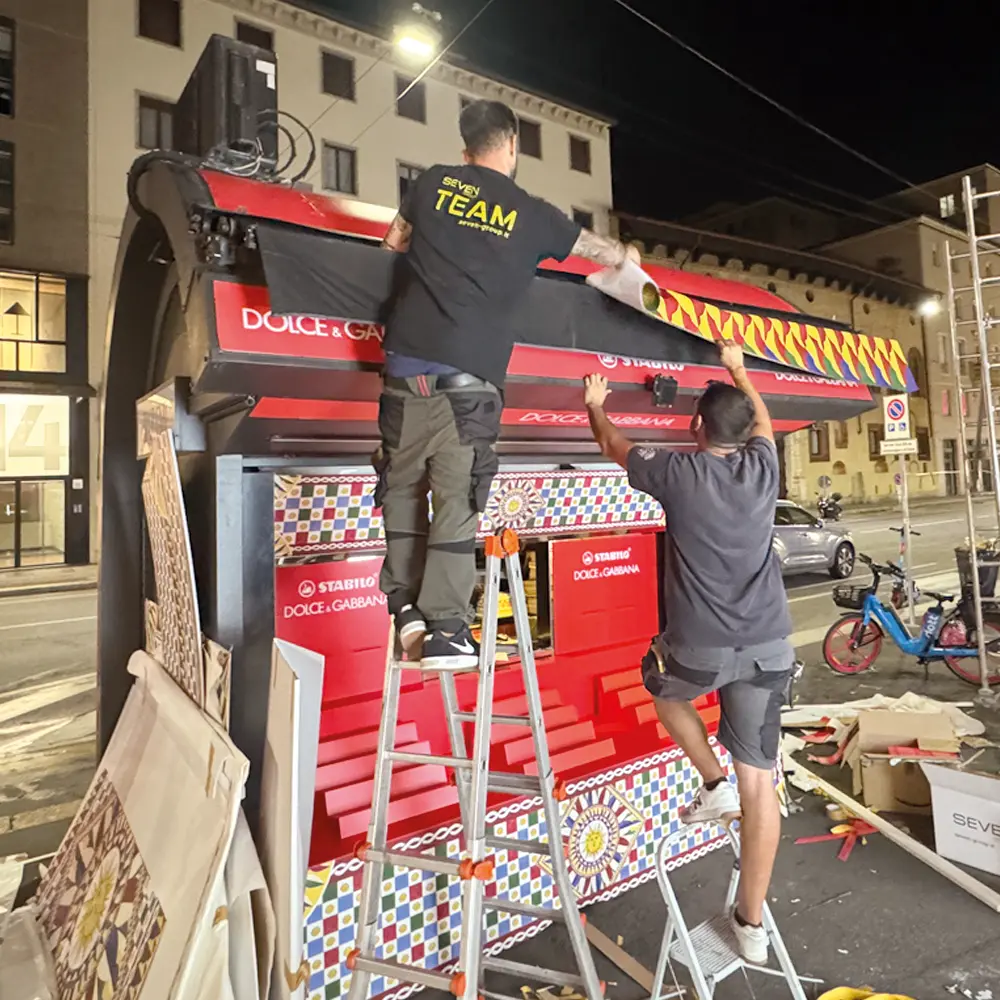
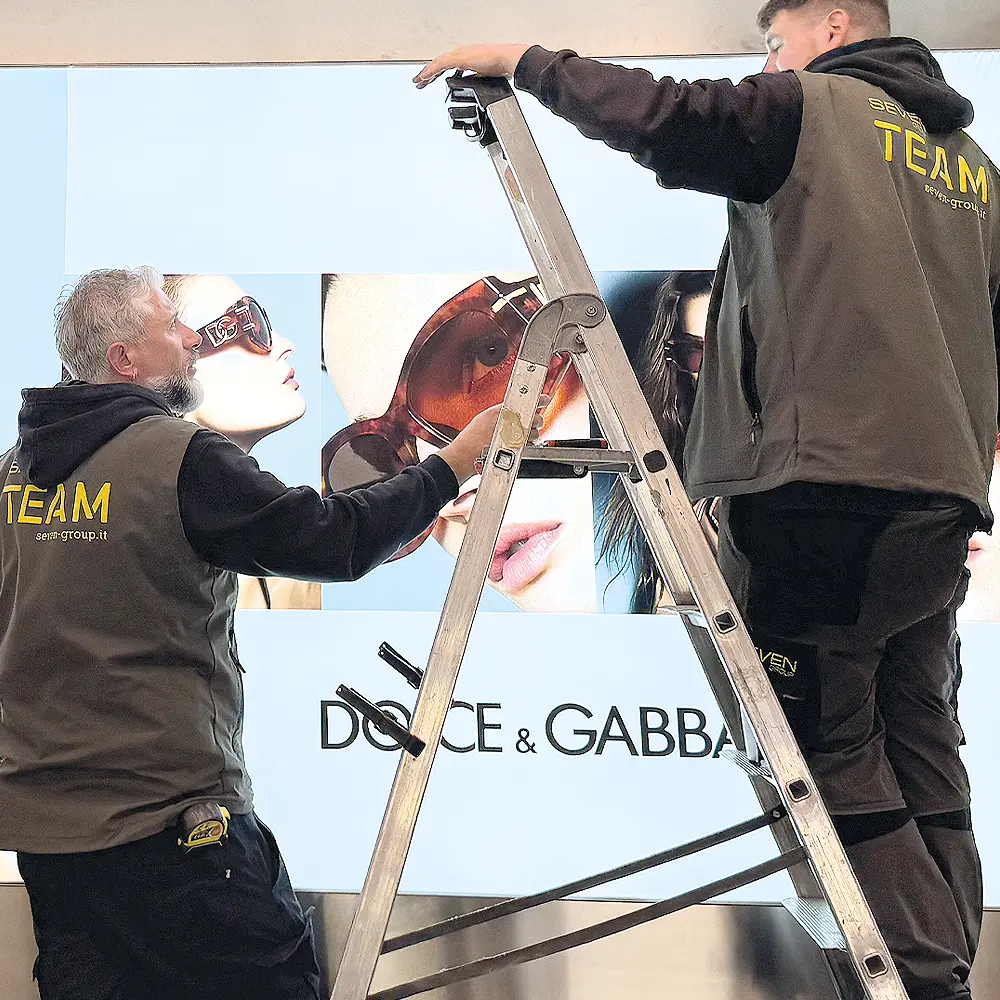
The moment of installation is one of the most critical phases of the project.
Work is carried out under tight deadlines, often outside shop opening hours, to ensure that everything is ready without interfering with normal activities. Every step is precisely planned and coordinated: structures are assembled, materials are placed, lighting and fittings are adjusted, and final adjustments are made.
It is a phase that requires great care and rigour.
Nothing can be improvised. It requires method, control of details and the ability to adapt to unforeseen events. Even the most detailed project may require on-site modifications, and it is essential to know how to intervene quickly and effectively.
Once the installation is complete, the set-up is complete.
The shop window takes its final form and the design concept is translated into a real space, consistent and effective in visual communication.
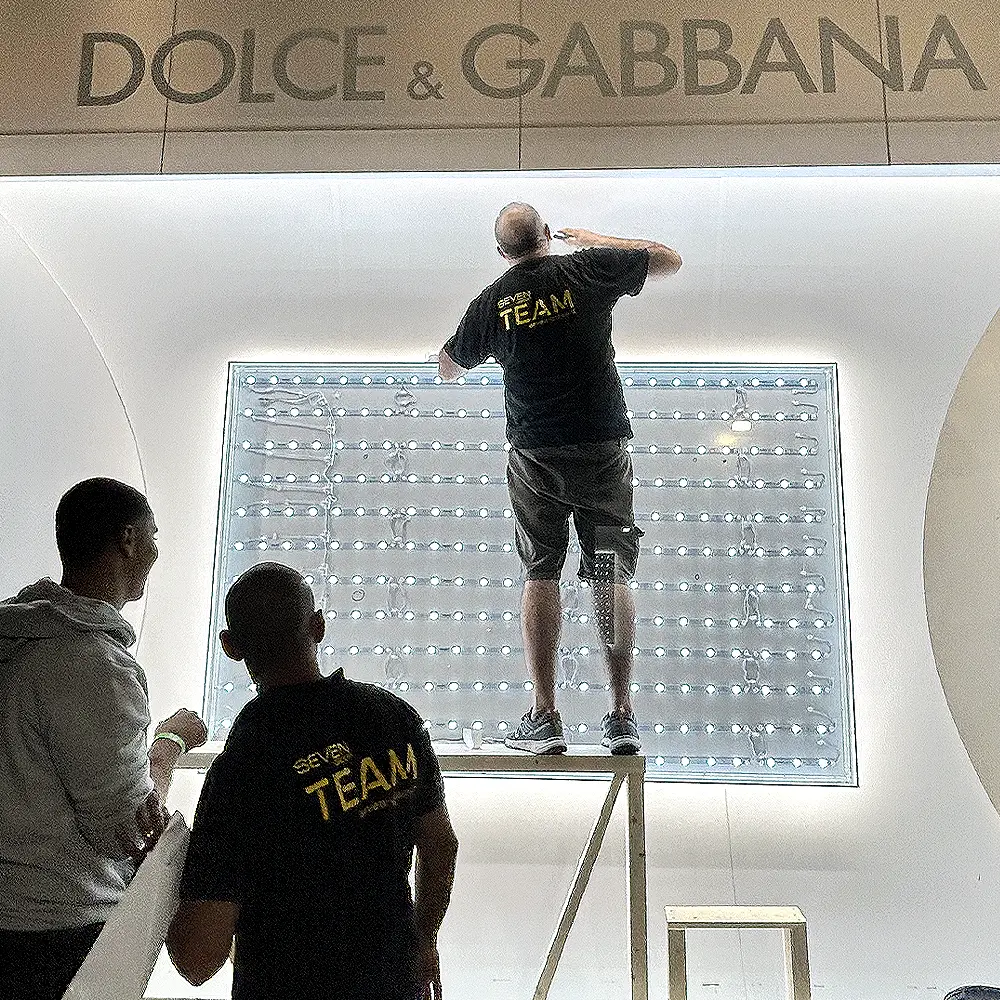
In short: what is really behind a shop window?
Behind a well-crafted shop window there is more than just a beautiful image: there is a structured process of expertise, vision and attention to detail. From the conception of the concept to the technical design, from the production of the elements to the in-store set-up, each step requires professionalism, coordination and precision.
An effective shop window is the result of the synergic work of several figures: creatives, designers, craftsmen, technicians, visual merchandisers. It is the fruit of a multidisciplinary approach in which aesthetics and functionality are integrated to achieve a common objective: to communicate in a clear, engaging and strategic manner.
Understanding what is behind a shop window means recognising the value of a complex work, designed to transform the space into a visual communication tool. And, above all, to leave a mark.
Related articles
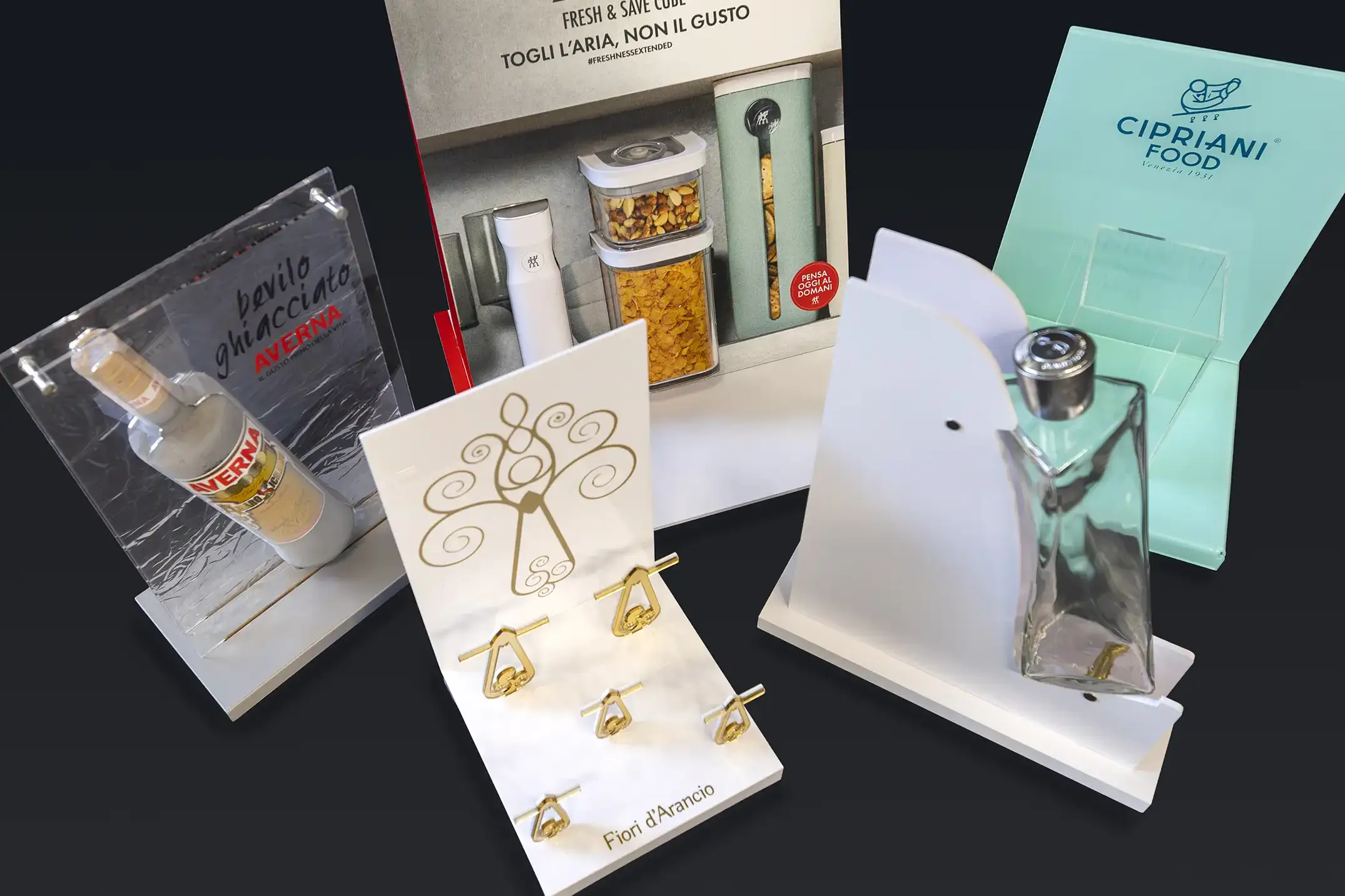
Counter Displays: Materials, Formats and Solutions for the Point of Sale
Guide to counter displays for products and points of sale: materials, formats,…

Window Display Design: From Concept to Custom Production
How a custom window display is created: concept, design, materials, production…
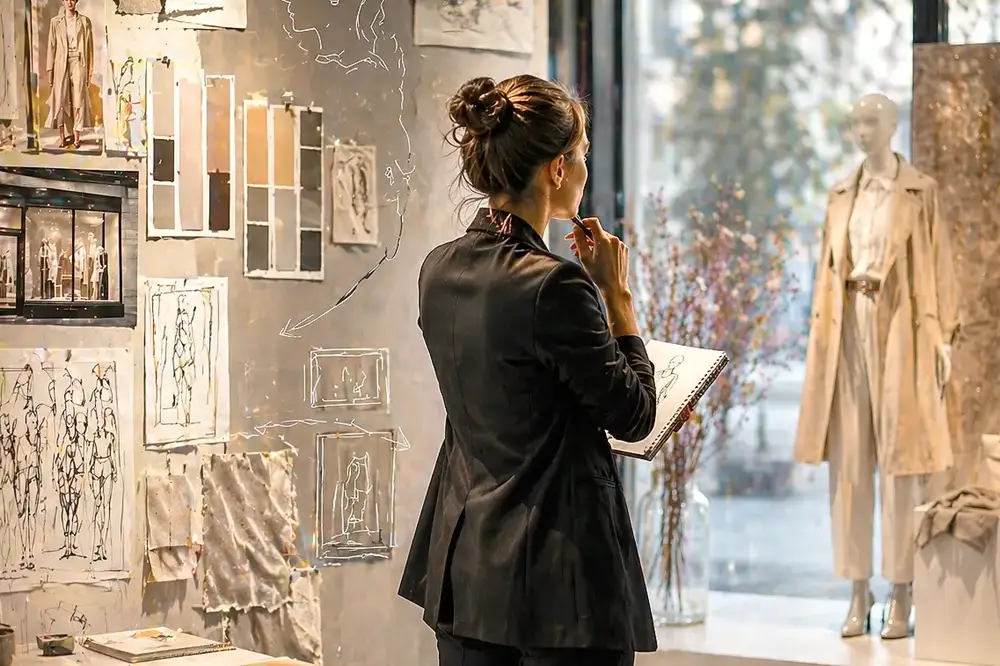
How to Become a Visual Merchandiser
In this guide, you will find a clear and practical path to understanding the…