

Packaging design: how psychology influences consumer behaviour

The impact of packaging design on consumer purchasing decisions.
First impressions are crucial because they often determine how we perceive a product or brand. In this context, packaging design represents the first point of visual contact between a consumer and a product, playing a crucial role in the decision-making process. Numerous research studies confirm that packaging is not just an aesthetic element, but a powerful visual communication tool that can significantly influence purchasing decisions. An eye-catching packaging design with well thought-out colours, shapes and graphics can capture the consumer’s attention, generating curiosity, interest and even desire. This positive effect can increase the likelihood that a product will be chosen over less well-designed competitors. Conversely, unattractive or poorly functional packaging can have the opposite effect, driving consumers away and reducing the perceived value of the product.
In summary, packaging design is not just a container: it is a key strategy for creating emotional connections, conveying quality messages and influencing purchasing decisions in a decisive way.
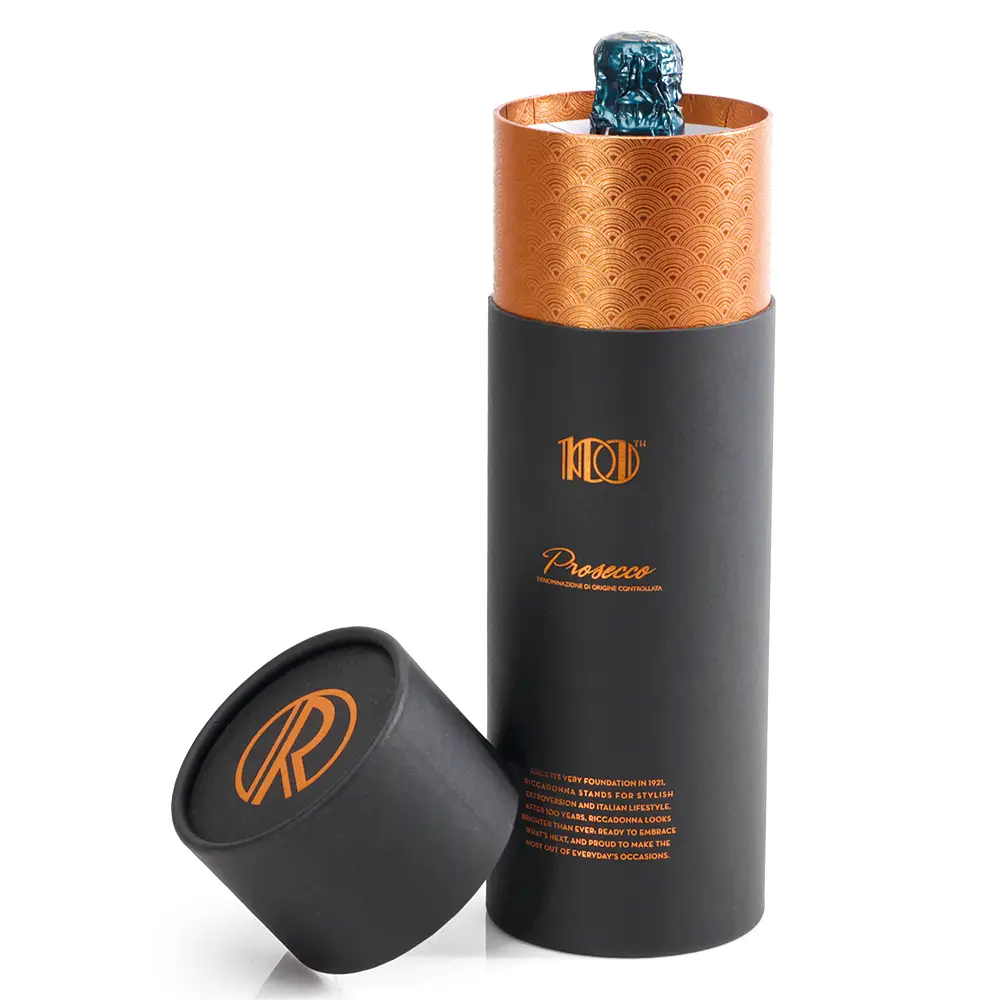
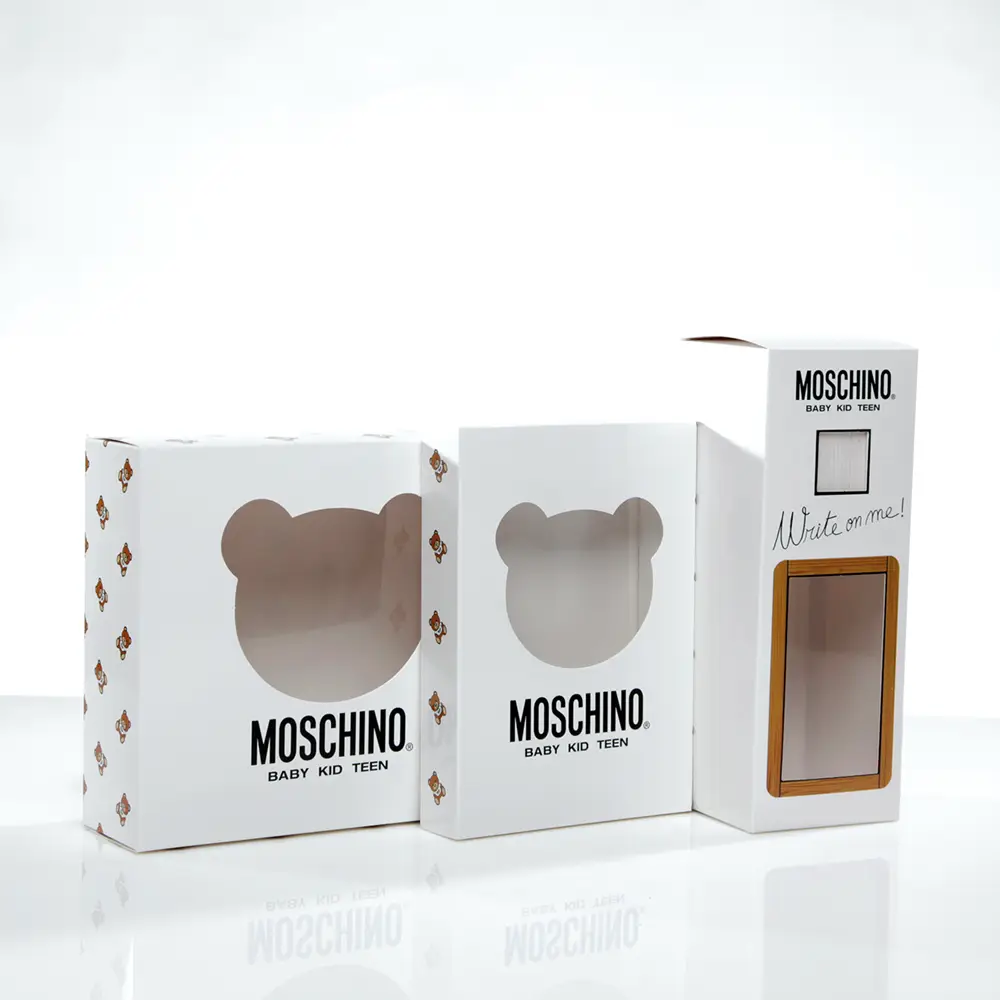
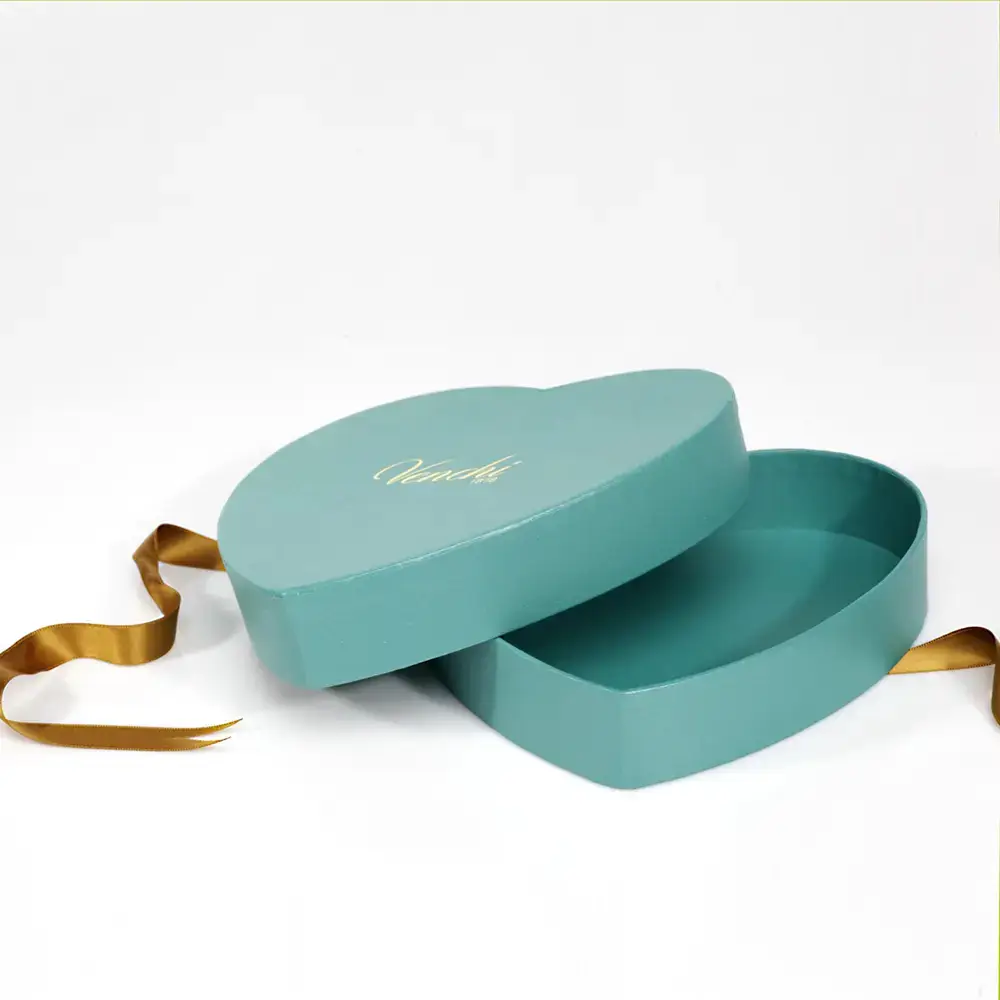

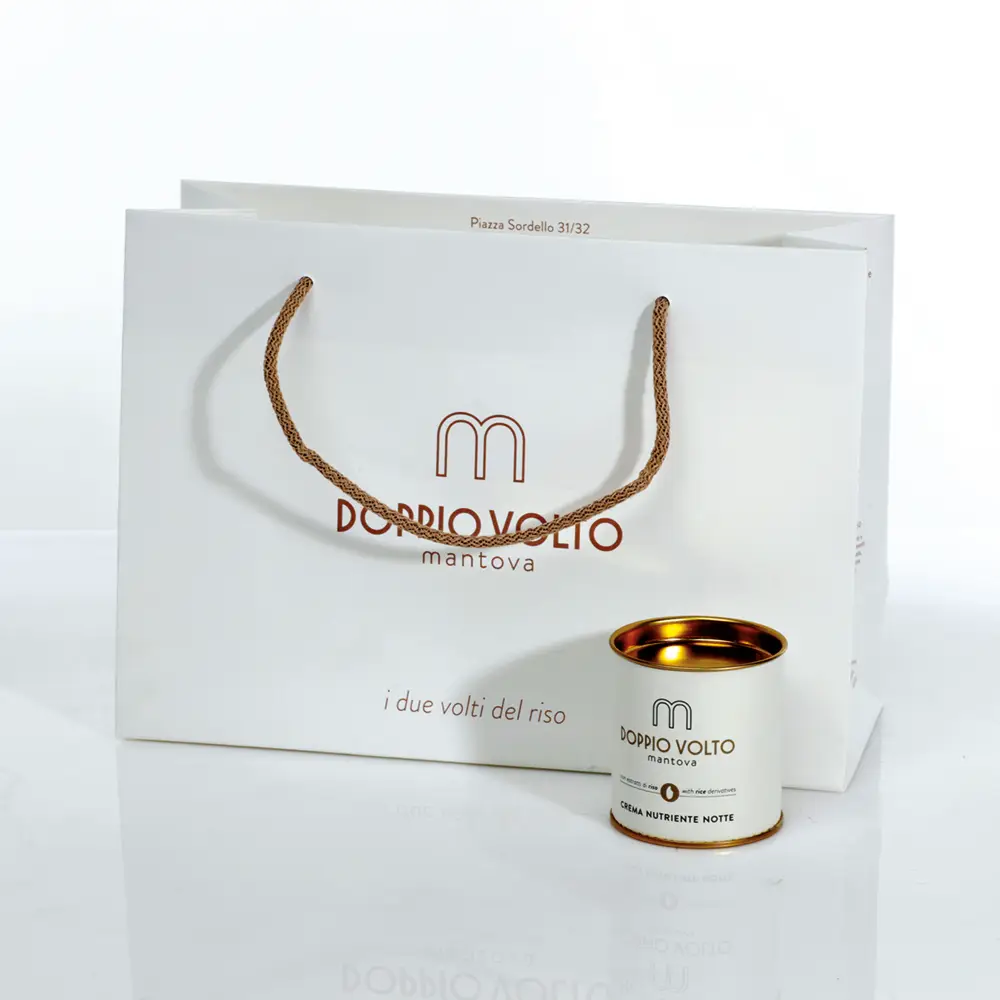
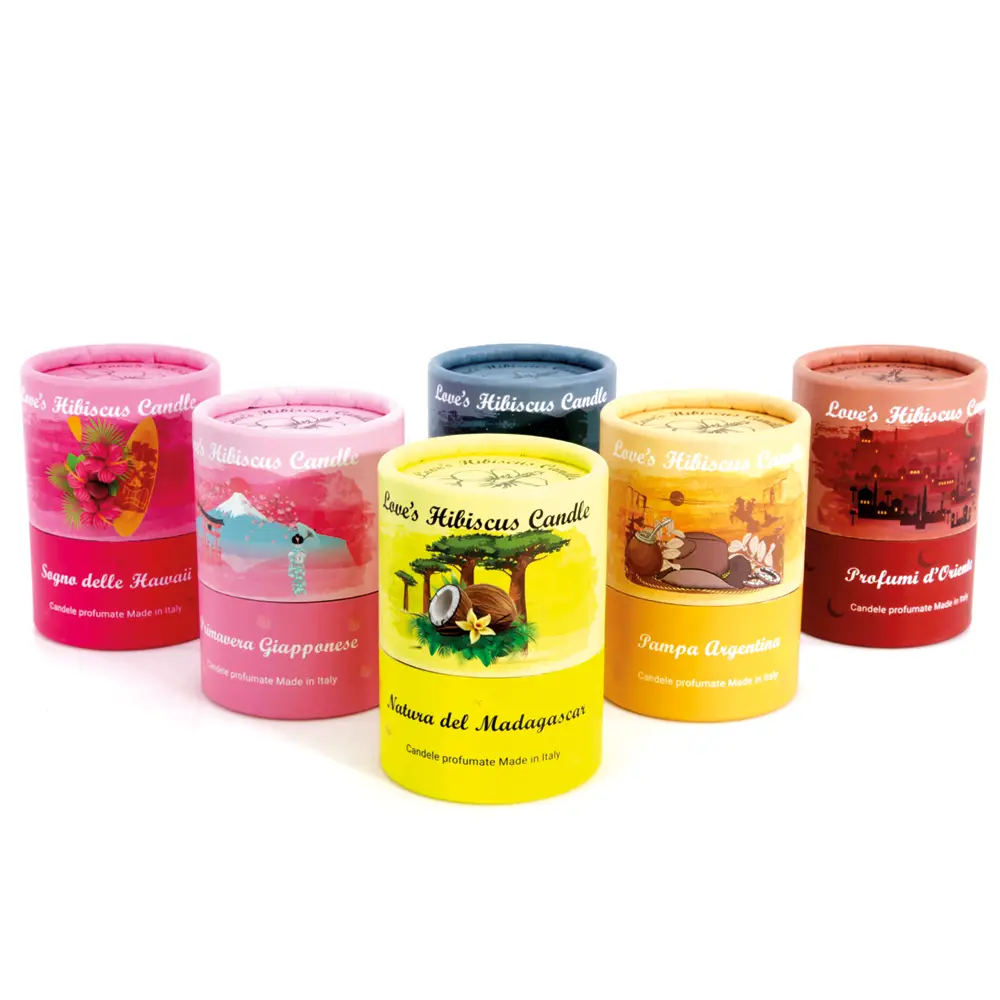
Capturing interest with packaging design.
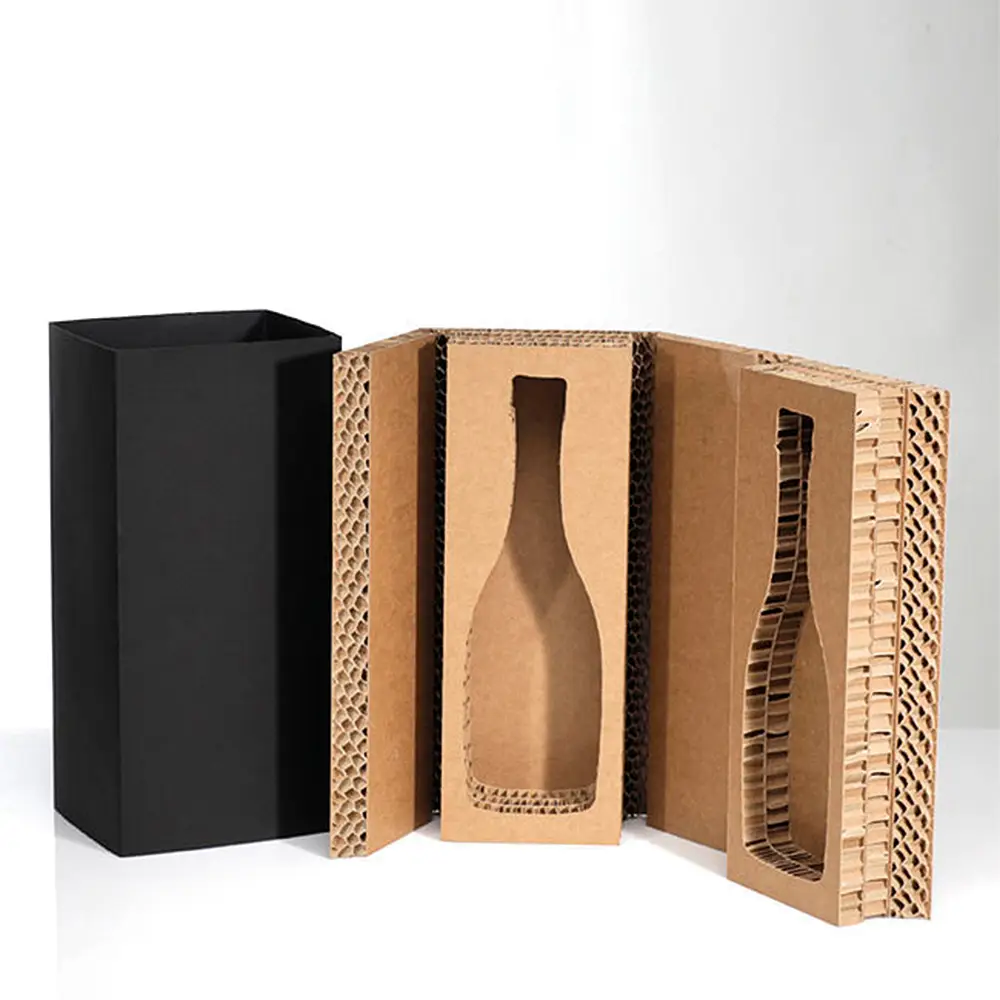
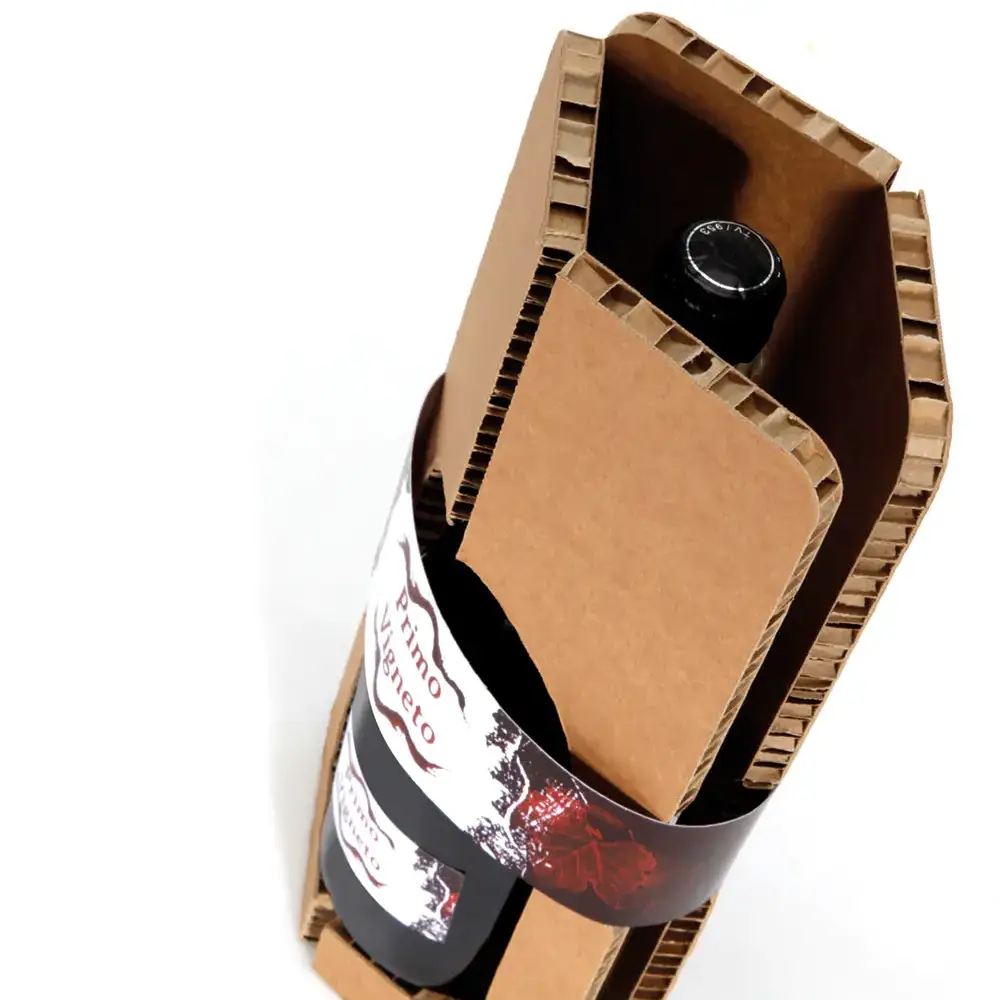
To create a packaging design that captures the consumer’s attention, it is essential to adopt an integrated strategy that considers every aspect of this essential communication element. First of all, packaging has a practical function: it must protect the product, guarantee its integrity and authenticity during distribution and transport. Furthermore, well-designed packaging enhances the consumer experience, making the product easier and more pleasant to use.
In addition to functionality, packaging design must be able to evoke emotions and create a bond with the consumer.
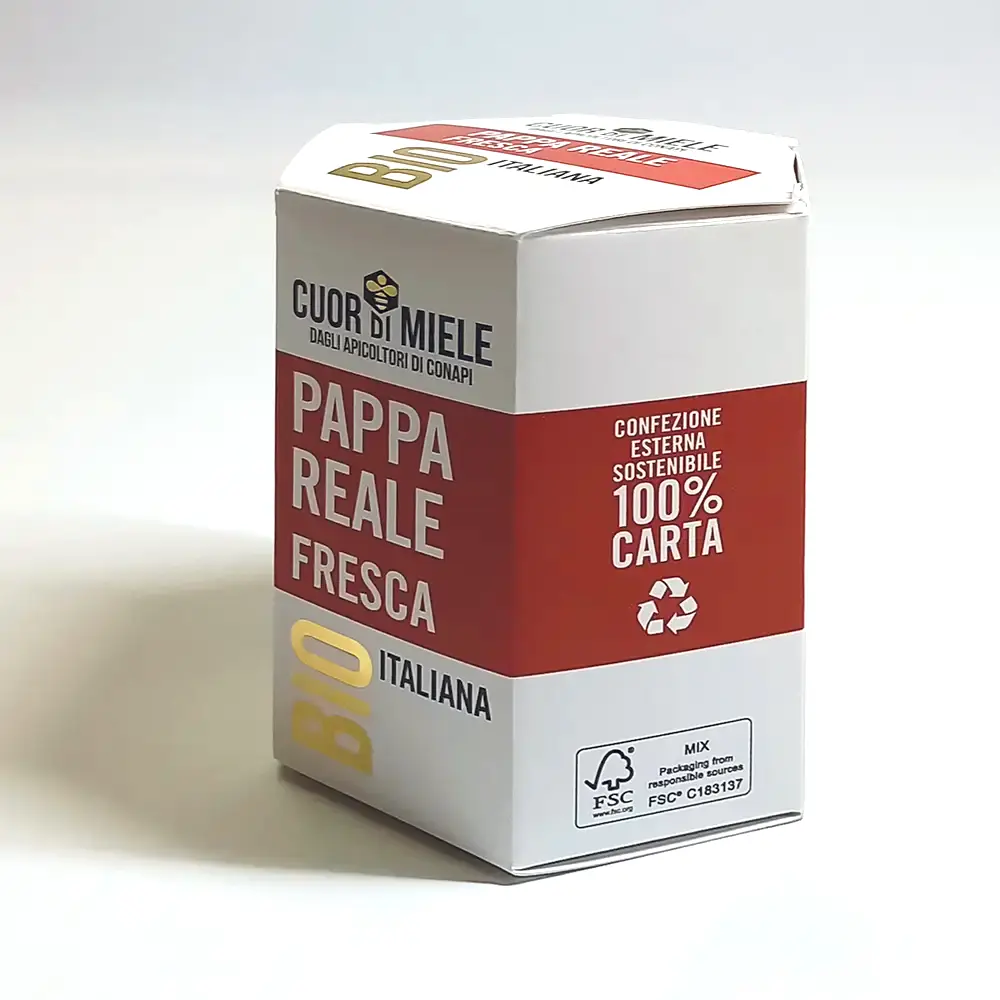
Therefore, the strategic use of colours, which can convey specific meanings and values, becomes crucial in packaging design. For example, red evokes passion and energy, green recalls nature and health, while yellow communicates cheerfulness and vivacity. The choice of shades not only influences the perception of the product, but also allows the brand to stand out and communicate its values.
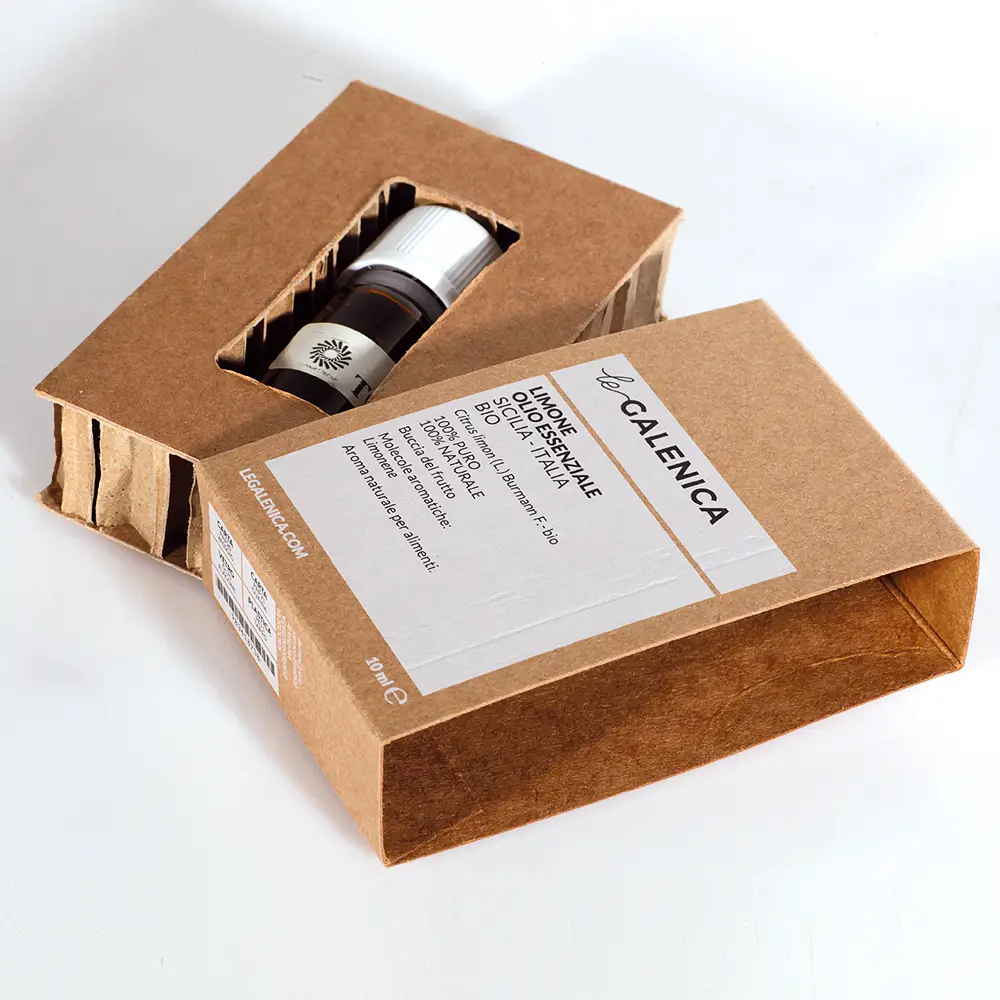
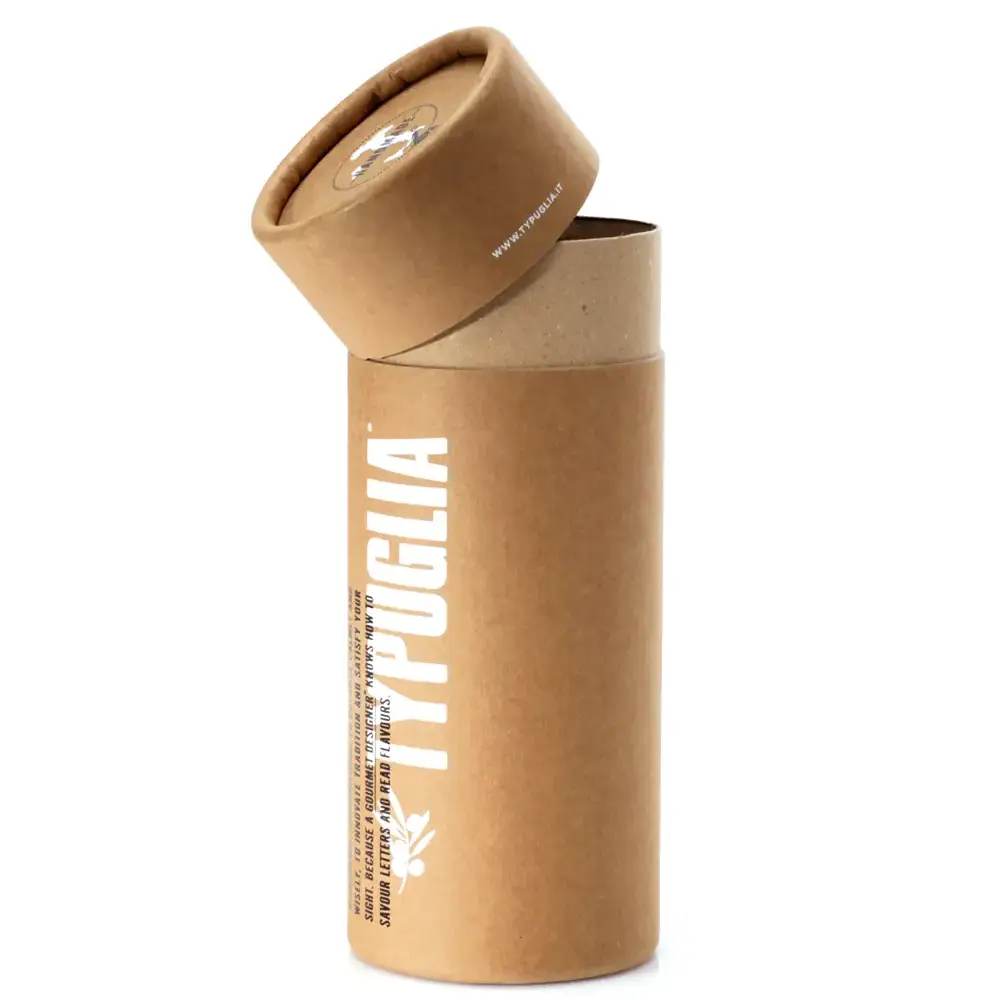
Aesthetics also play a key role: shape, graphics, illustrations, fonts and overall packaging design are visual elements that can attract and hold the attention of consumers. In addition to visual stimuli, the materials used for packaging offer a tactile experience that can surprise and engage emotionally. Choosing creative materials such as wood, textiles, glass or recycled cardboard not only makes the packaging more distinctive, but also reinforces the brand message, often related to sustainability or innovation.
Ultimately, effective packaging design combines functionality, aesthetics and communication to engage the consumer across the board, positively influencing their purchasing decision.
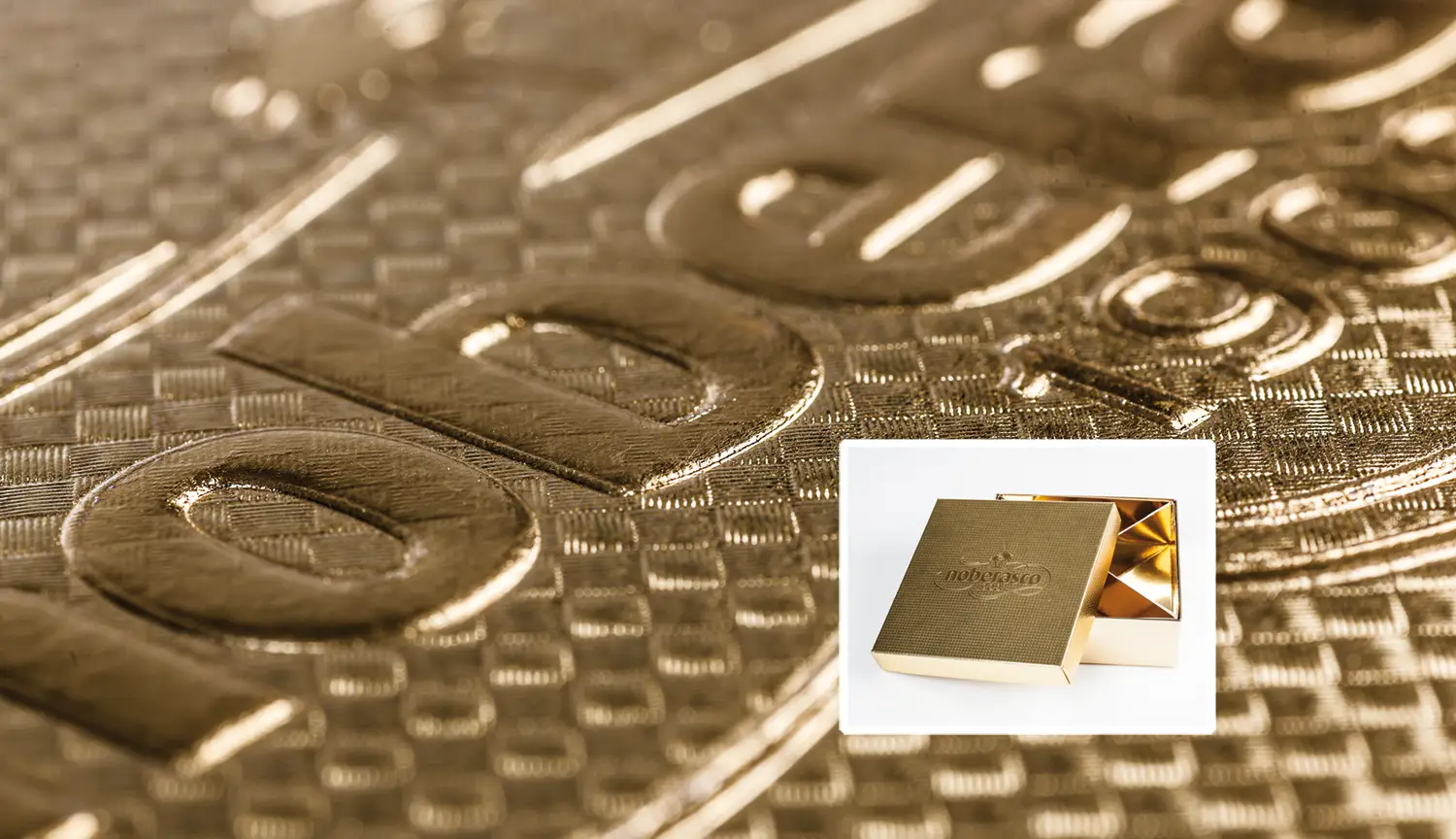
The importance of form in winning packaging design.
It is not only colour or graphics that play a decisive role in capturing the consumer’s attention. The shape of the packaging, as well as meeting the needs of transport and storage, must also fulfil specific requirements to persuade the user to purchase. The design of the packaging, in fact, does not only indicate the type of product contained, but guides the user in the actions to be taken to use it correctly, reducing ambiguity and uncertainty.
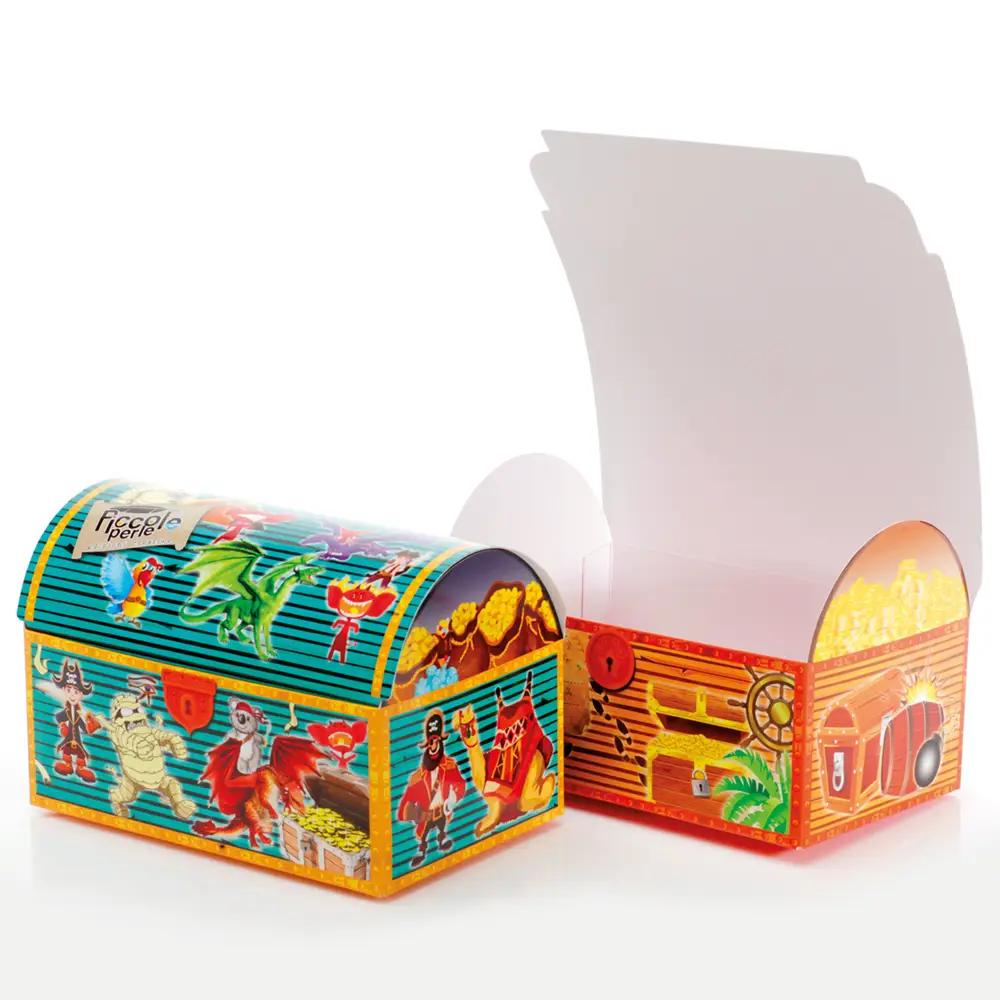
The shape of the packaging plays a crucial role in the interaction between consumer and product, influencing the immediate perception and purchase instinct. Although we are told not to stop at appearances, when it comes to packaging the first impression is often decisive. The shape can evoke concepts, reveal features, arouse curiosity and strengthen brand visibility, thus contributing to the success of the product.
Furthermore, good design makes packaging capable of telling the product’s story, a story that must also be conveyed through the shape. This not only communicates practical information but also evokes ideas and emotions, engaging the emotionality of users and creating a deeper bond with the brand.

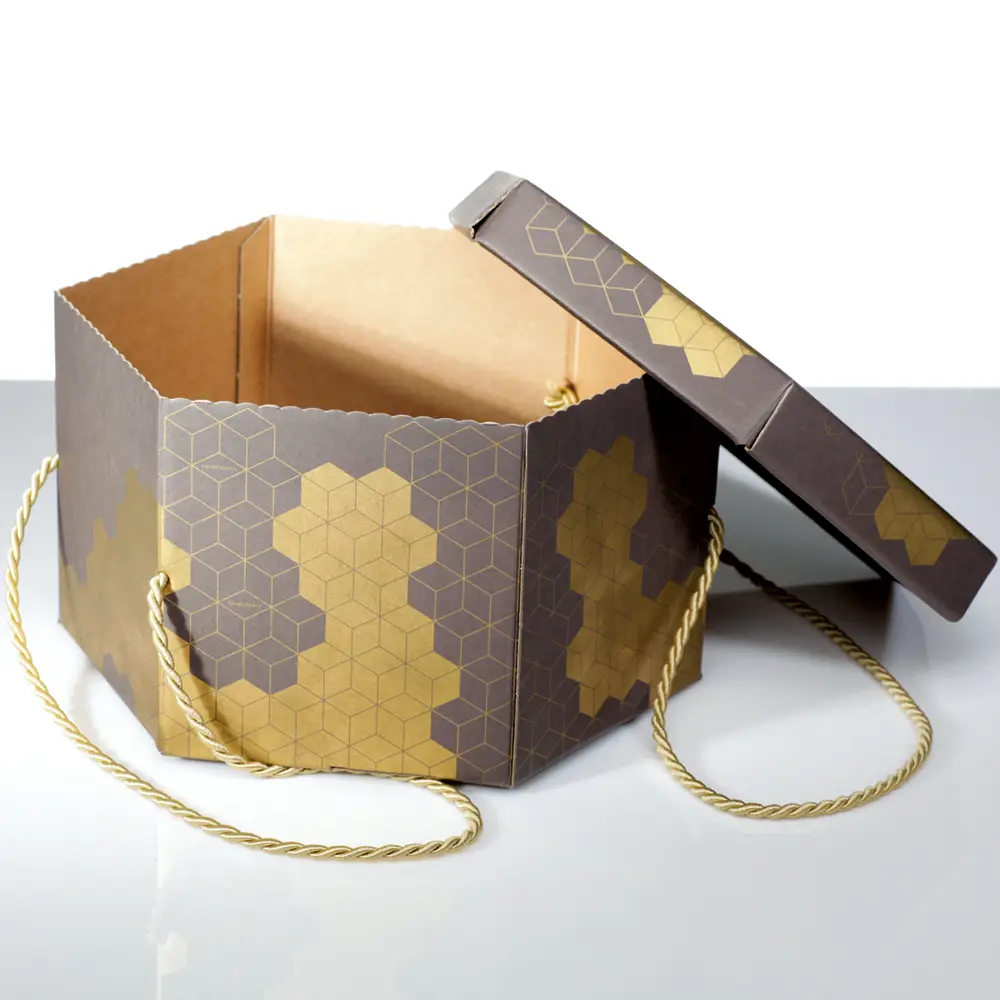
Packaging design and sustainability: the trend that wins the market.
Sustainable and reusable packaging design is becoming increasingly important, reflecting the global focus on sustainability. In a context where the environment is at the centre of priorities, the use of eco-friendly materials is not only a practical necessity, but also a clear signal of the brand’s commitment to a better future, winning over discerning and responsible consumers.
Designed to minimise environmental impact, good sustainable packaging design keeps its main functions of protection and information intact, without sacrificing key marketing elements such as attractive aesthetics, effective messaging and attention-grabbing appeal.
The focus on recycling and reuse is not only an added value, but a concrete response to the expectations of an increasingly aware customer base, which rewards companies committed to environmental protection. Choosing eco-sustainable solutions not only improves the brand image, but also contributes to a growing market share, strengthening the trust and credibility of the brand in a lasting way.
Ask for info / Quote
We make any product to specific requirements, both material and design.
NO-OBLIGATION CONSULTATION | QUICK RESPONSE GUARANTEED
Related articles
Counter Displays: Materials, Formats and Solutions for the Point of Sale
Guide to counter displays for products and points of sale: materials, formats,…

Window Display Design: From Concept to Custom Production
How a custom window display is created: concept, design, materials, production…
How to Become a Visual Merchandiser
In this guide, you will find a clear and practical path to understanding the…
Related articles
Counter Displays: Materials, Formats and Solutions for the Point of Sale
Guide to counter displays for products and points of sale: materials, formats,…
Window Display Design: From Concept to Custom Production
How a custom window display is created: concept, design, materials, production…
How to Become a Visual Merchandiser
In this guide, you will find a clear and practical path to understanding the…